

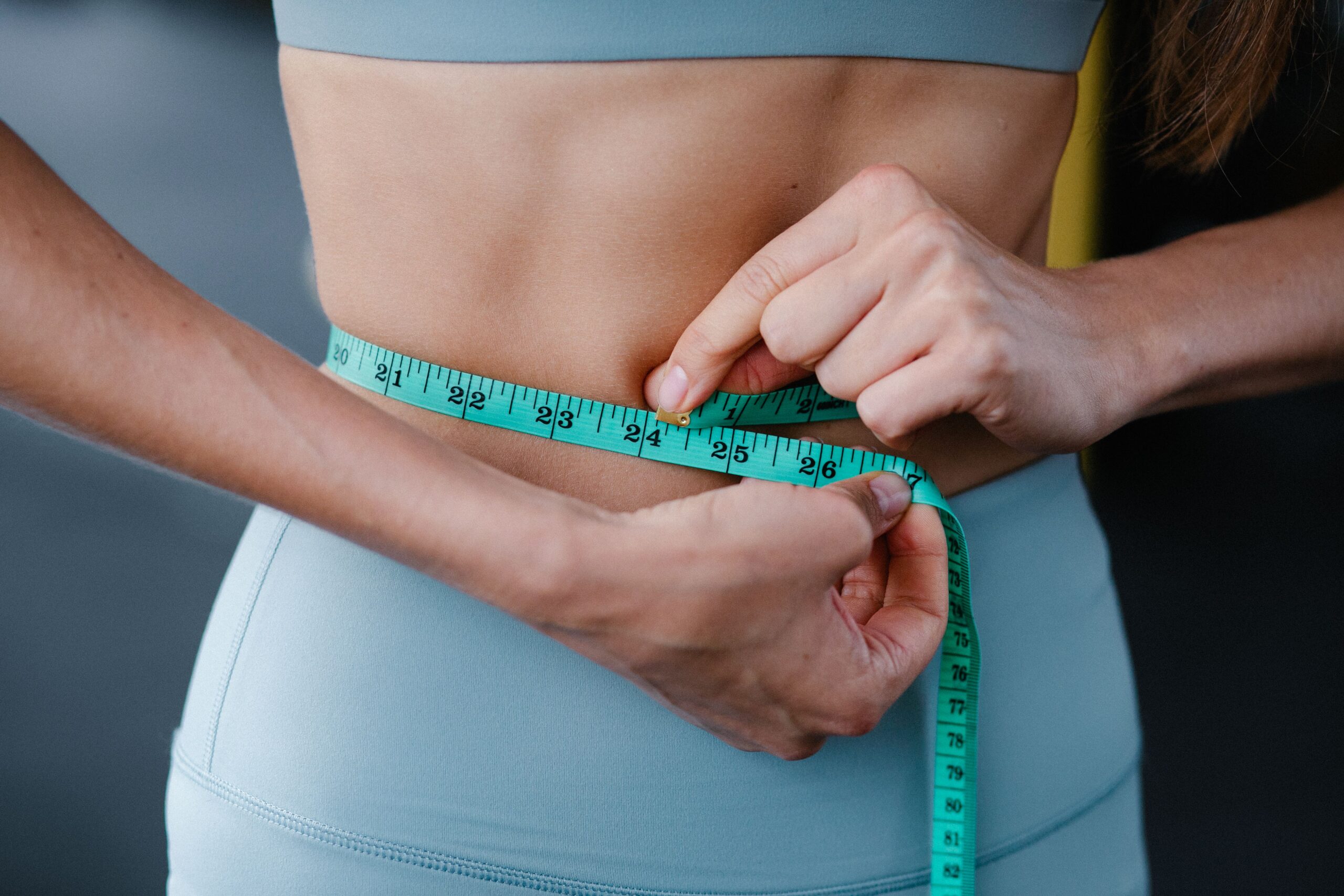


Unless you have been living under a rock, you have probably heard about the weight-loss medications Ozempic, Wegovy, Mounjaro, and Zepbound. These medications have taken the world by storm, becoming household names and changing the conversation around weight loss, diabetes, and metabolic health. From celebrity headlines and social media discussions to conversations around the dinner table, GLP-1 medications have become one of the hottest topics in healthcare.
But what exactly is GLP-1, and why has it attracted so much attention?
GLP-1, or glucagon-like peptide-1, is actually a hormone that your body naturally produces in the digestive tract. It plays an important role in regulating blood sugar, controlling appetite, slowing digestion, and helping you feel satisfied after eating. The medications that have become so popular work by mimicking the effects of this naturally occurring hormone, helping people manage blood sugar and, in many cases, lose significant amounts of weight.
The growing popularity of these medications raises an interesting question: Can we encourage our bodies to produce more of their own GLP-1 naturally?
While eating certain foods or adopting specific lifestyle habits cannot replicate the effects of prescription medications, research suggests that nutrition, physical activity, gut health, and other lifestyle factors may influence the body’s natural GLP-1 response. Understanding these connections may offer practical ways to support appetite regulation, healthy blood sugar levels, and overall metabolic health—without relying on medications alone.
Let’s take a closer look at how GLP-1 works and what you can do to support your body’s natural production.
From a natural hormone to a therapeutic breakthrough
GLP-1 was identified as researchers investigated the hormones responsible for regulating blood glucose after meals. Scientists discovered that the intestines release GLP-1 in response to food intake and that the hormone helps the pancreas release insulin when blood glucose is elevated.
One limiting factor, however, is that the GLP-1 our bodies naturally produce breaks down quickly, usually within just one to two minutes. GLP-1 medications were developed to work around this by mimicking the hormone’s effects and staying active in the body much longer.
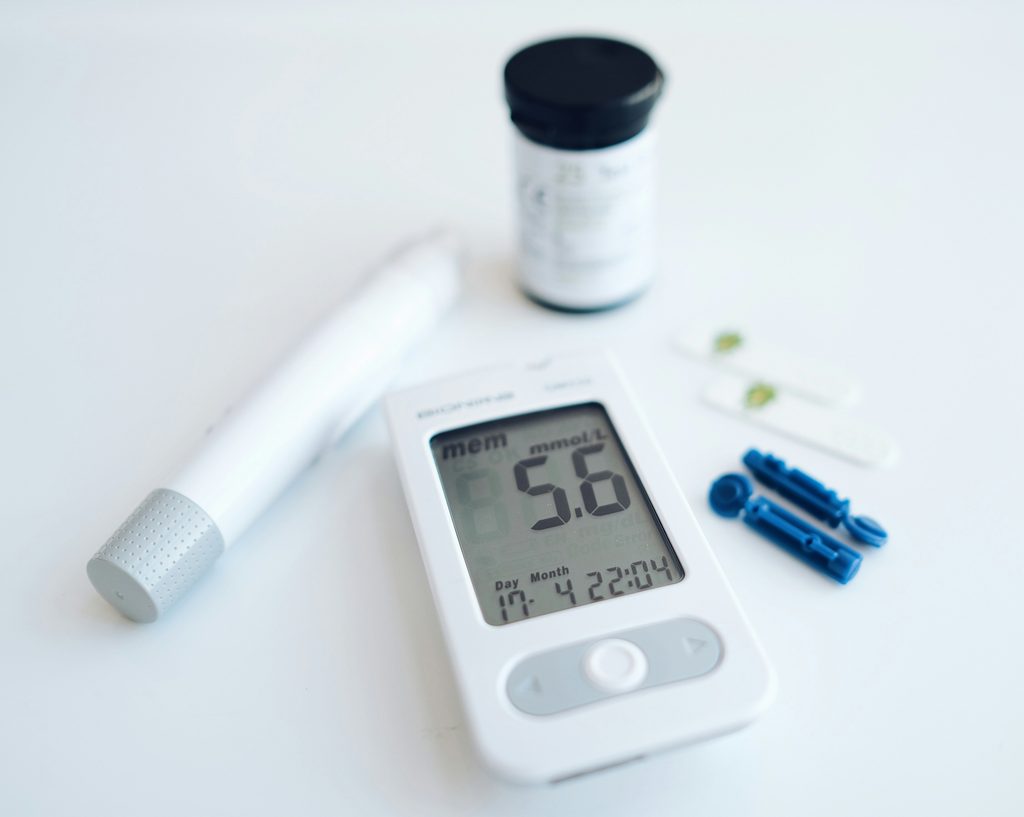
Where GLP-1 comes from
Natural GLP-1 is produced primarily by specialized cells in the small intestine and colon in response to food. Carbohydrates, fats, and proteins can all stimulate its release.
GLP-1 helps the body respond to meals by:
- Stimulating insulin secretion to regulate blood glucose.
- Suppressing glucagon when appropriate.
- Supporting feelings of fullness and appetite regulation.
- Slowing gastric emptying.
Because natural GLP-1 is active for only a short time, its effects are brief. Nevertheless, it plays an important role in normal metabolic function.
Prescription medications versus natural GLP-1
An important distinction is that GLP-1 receptor agonists do not simply increase the amount of naturally produced GLP-1. Instead, they activate the same receptor through medications engineered to have prolonged activity. Naturally occurring GLP-1 is rapidly broken down by an enzyme called dipeptidyl peptidase-4 (DPP-4), giving it a circulating half-life of only about one to two minutes. Researchers developed GLP-1 receptor agonists to overcome this limitation. These medications mimic GLP-1’s activity while remaining active much longer, amplifying its effects of appetite suppression, slowed rate of digestion, and hormone release for blood glucose regulation.
This distinction matters when discussing natural strategies. Eating a balanced meal or exercising may influence the body’s own GLP-1 response and thereby support metabolic health, but lifestyle approaches have not been shown to reproduce the magnitude or duration of the effects of these prescription medications.

How to Support Natural GLP-1 Through Diet, Exercise, and Lifestyle
Research into nutrition and lifestyle suggests several practical ways to support the body’s normal post-meal hormone responses.
A. Prioritize fiber-rich foods
Dietary fiber is one of the most promising nutritional components for supporting a healthy gut environment and potentially influencing GLP-1 secretion.
Certain types of fiber, particularly fermentable fibers, are broken down by gut bacteria to produce short-chain fatty acids. These compounds can stimulate intestinal hormone-secreting cells, including those responsible for the release of GLP-1.
Sources include:
- Oats, barley, beans, lentils, and chickpeas.
- Vegetables such as broccoli, carrots, and leafy greens.
- Fruits such as apples, pears, and berries.
- Nuts, seeds, and whole grains.
B. Include protein with meals
Protein promotes the release of GLP-1 while also supporting mealtime satiety, muscle mass maintenance, and immune function.
Great protein options include eggs, fish, poultry, plain Greek yogurt, tofu, tempeh, beans, lentils, and other legumes. Combining protein with vegetables, whole grains, and healthy fats can create satisfying meals that support steady energy.
C. Choose healthy fats
Dietary fat can stimulate GLP-1 release during digestion. Support cardiovascular health by choosing more sources of unsaturated fats, such as olive oil, avocados, nuts, seeds, and fatty fish, while limiting sources of saturated fat.

D. Support gut health with a varied diet
The gut microbiome—the community of microorganisms living in the digestive tract—may influence GLP-1 signaling through the production of short-chain fatty acids and other metabolites.
To support a healthy gut environment:
- Eat a wide variety of fruits, vegetables, legumes, and whole grains.
- Include fiber-rich foods regularly.
- Add fermented foods such as yogurt with live cultures, kefir, sauerkraut, kimchi, miso, or kombucha.
E. Consider meal sequencing
Not only is including foods rich in protein, fiber, and healthy fats in a meal supportive of GLP-1 production, eating these foods first before eating other carbohydrates in the meal can further enhance GLP-1 secretion. For people with diabetes, this can also reduce post-meal blood sugar excursions.
F. Build in consistent movement
Physical activity improves insulin sensitivity, cardiovascular fitness, muscle function, and glucose regulation. Some studies have also found changes in GLP-1 responses after exercise.
For most adults, public health guidance recommends working toward at least 150 minutes of moderate-intensity aerobic activity per week, alongside muscle-strengthening activities on two or more days. Even a brief walk after a meal can help reduce post-meal blood glucose elevations for many people, independently of any effect on GLP-1.
G. Get enough sleep and maintain a regular schedule
Sleep influences appetite, glucose metabolism, and the hormones involved in hunger and satiety. Inadequate or irregular sleep can contribute to increased appetite, greater hunger, and reduced insulin sensitivity.
Although direct evidence that improving sleep reliably increases natural GLP-1 production is limited, sufficient sleep supports the broader systems that regulate appetite and metabolism.
Most adults should aim for approximately seven to nine hours of sleep per night, with a consistent bedtime and wake time when possible.

H. Manage stress and build sustainable routines
Chronic stress increases cortisol, which can influence eating behaviors, impair GLP-1 release, impact sleep quality, and affect glucose regulation.
Activities such as mindfulness, meditation, gentle yoga, spending time outdoors, and maintaining supportive social connections can be helpful in managing stress and reinforce healthful routines.
Rather than trying to eliminate stress entirely, focus on practices that are realistic enough to maintain. A short daily walk, regular meal times, or a few minutes of slow breathing may be more useful over time than an elaborate routine that is difficult to sustain.
Conclusion
GLP-1 is an important natural hormone that helps coordinate blood sugar regulation, appetite, and digestion. Prescription GLP-1 receptor agonists have transformed the treatment of type 2 diabetes and obesity for many people, but their sustained pharmacological effects are different from the brief release of the body’s own hormone after meals.
Although no lifestyle intervention is proven to reproduce the effects of these medications, a balanced diet rich in fiber, adequate protein, healthy fats, regular physical activity, sufficient sleep, and effective stress management can support the body’s normal GLP-1 response and overall metabolic health.
Written by our Registered Dietitian and board certified specialist, Caitlyn Droste.


+ show Comments
- Hide Comments
add a comment