

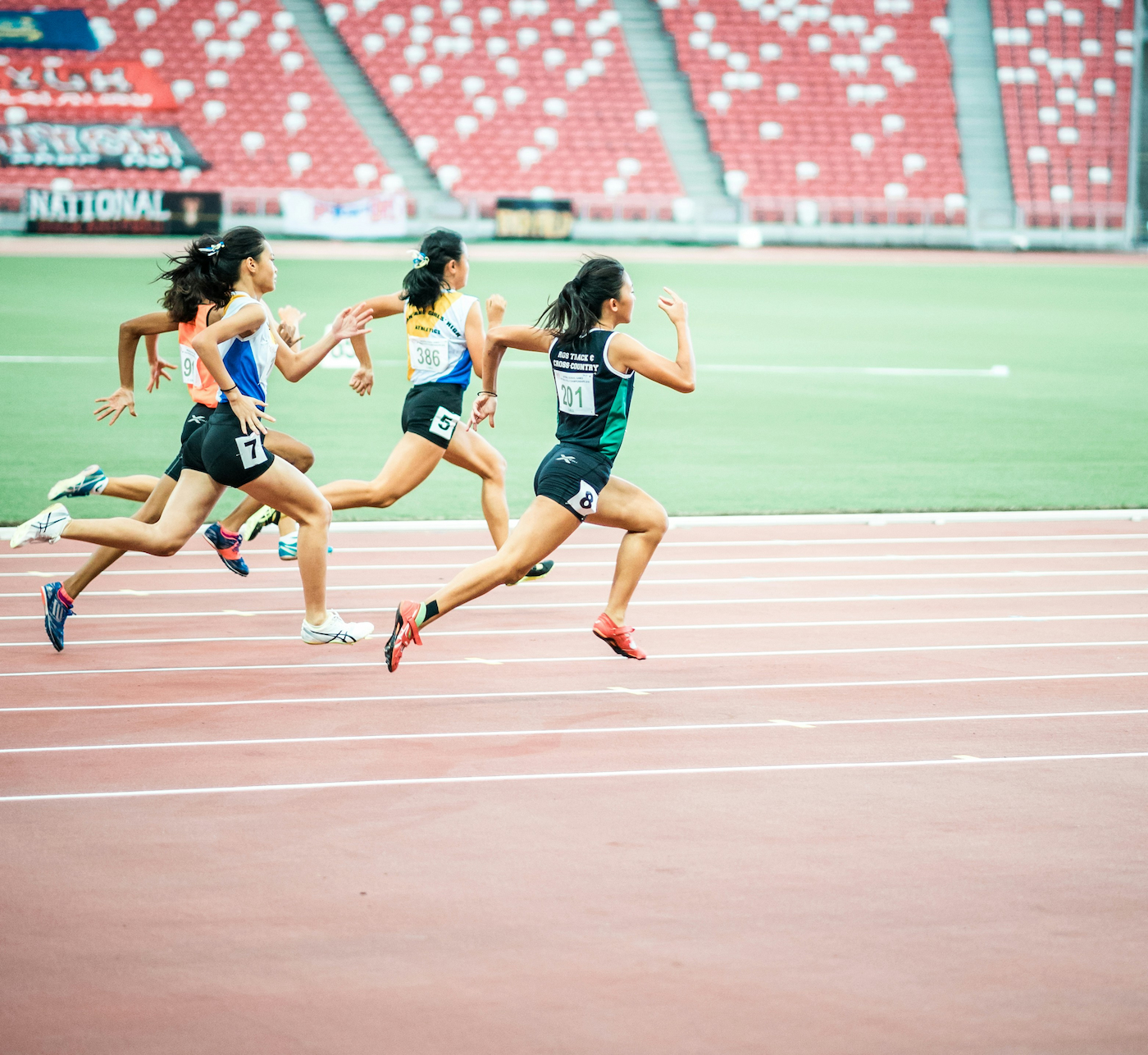


As a nutrition expert who teaches clients how to eat intuitively, as well as a competitive athlete that trains 18 hours per week, I will be the first to tell you that listening to your hunger cues doesn’t always work. There have been plenty of times when I’ve finished a long training session and known I needed to eat, but I honestly wasn’t hungry at all. I could train for two hours, finish completely exhausted, and have absolutely no interest in sitting down to a full meal. If I was only going off of whether or not my stomach was growling, I probably would end up under eating or setting myself up for a blood sugar rollercoaster ride! If I wait too long to eat after training, I’m more likely to feel exhausted later in the day, have a harder time recovering, or suddenly realize a few hours later that I am absolutely starving.
Now, I know that even if I’m not hungry immediately after training, my body still needs something. Sometimes that means having chocolate milk and a banana, making a smoothie because drinking something sounds easier than eating, or having a smaller snack and then eating a full meal once my appetite comes back. I’m still paying attention to what my body is telling me, but I’m also using what I know about sports nutrition and what I’ve learned about myself as an athlete.
That is really what intuitive eating as a competitive athlete looks like for me. It isn’t just eating when I’m hungry and stopping when I’m full. It’s learning how to combine my hunger and fullness cues with what I know about my training, recovery, energy, schedule, and overall needs.
Intuitive Eating Is More Than Hunger and Fullness
I think one of the biggest misconceptions about intuitive eating is that “listening to your body” means you should only eat when you are physically hungry. Hunger and fullness are absolutely important, but they are only two pieces of the bigger picture, especially when you’re an athlete.
There are days when my hunger cues are really obvious and eating intuitively feels pretty simple. I get hungry, I eat something that sounds good and satisfies me, and then I move on with my day. There are other days when I’m working, training, coaching, or just running around and I realize that several hours have gone by without eating. There are also times when I finish a really hard workout and my appetite is actually lower than it was before I started.
In those situations, I’m paying attention to more than whether my stomach feels empty. I’m also looking at my energy throughout the day, how I’m performing in the gym, how well I’m recovering between sessions, my sleep, my mood, my digestion, and how I feel overall. If my workouts suddenly feel harder than usual, I’m exhausted all afternoon, or my recovery has been terrible, those things are giving me information too.
Sometimes listening to your body means responding to hunger, but sometimes it means recognizing that your body needs more support before your hunger becomes really obvious.

There Are Different Reasons We Eat
Something I talk about with my clients is that hunger isn’t always as simple as a growling stomach. This is referred to as “biological hunger” and is probably what most people immediately think of, but even biological hunger can show up in different ways. You might notice an empty stomach, but you might also notice low energy, irritability, headaches, difficulty concentrating, feeling lightheaded, or thinking about food more often.
As an athlete, I also rely pretty heavily on practical hunger, which basically means thinking ahead and eating because I know I’m going to need the energy even if I’m not particularly hungry at that exact moment. If I have a two-hour training session coming up and know I won’t have another opportunity to eat for a while, I’m going to have something beforehand. The same thing applies if I finish training without much of an appetite or if I’m heading into several hours of work and know I won’t have a chance to eat again.
I don’t view that as ignoring my body. I actually think it’s the opposite because I’m using what I know about my body and my schedule to take care of myself before I get to the point where I’m completely depleted.
There are also times when we eat because something simply sounds good. You might want a donut because someone brought them into work, have cake at a birthday party, or order dessert while you’re out to dinner even though you aren’t necessarily biologically hungry. Food is about so much more than meeting our physical needs. It’s part of celebrations, traditions, social experiences, and enjoyment, and I think all of those are completely valid reasons to eat.
Emotional hunger can be part of this too. Sometimes we want food because we’re stressed, bored, anxious, sad, happy, celebrating, or even experiencing FOMO. Instead of immediately deciding that emotional eating is something we need to eliminate, I think it’s more helpful to get curious about what is actually going on and whether food is going to meet the need we have in that moment.
The goal isn’t to figure out which type of hunger is “good” and which one is “bad.” It’s to build enough awareness that you understand why you want or need to eat and can make a decision from there.
Sometimes Eating Intuitively Means Eating When I’m Not Hungry
This is probably one of the most important things for athletes to understand because there are going to be situations where waiting for noticeable hunger doesn’t make sense.
If I have a hard training session at 4:00 and it’s 2:30, I’m probably going to have some carbohydrates even if I’m not particularly hungry because I know how I feel when I go into training without enough fuel. I’ve had enough workouts where I didn’t eat enough beforehand and then wondered halfway through why everything felt terrible.
The same thing happens after training. Exercise can temporarily affect appetite, especially after harder or longer sessions, so I don’t necessarily expect myself to want a huge meal immediately afterward. Instead, I work with what sounds manageable. I might have a smoothie, chocolate milk, fruit, or something smaller right away and then eat a larger meal once my appetite comes back.
I still consider that intuitive eating because I’m taking into account both what my body needs and what it can realistically tolerate in that moment. I’m not forcing myself to eat a huge meal because a nutrition textbook told me I have to, but I’m also not ignoring the fact that I just trained for two hours and need to recover from it.
Having Structure Doesn’t Mean You’re Being Restrictive
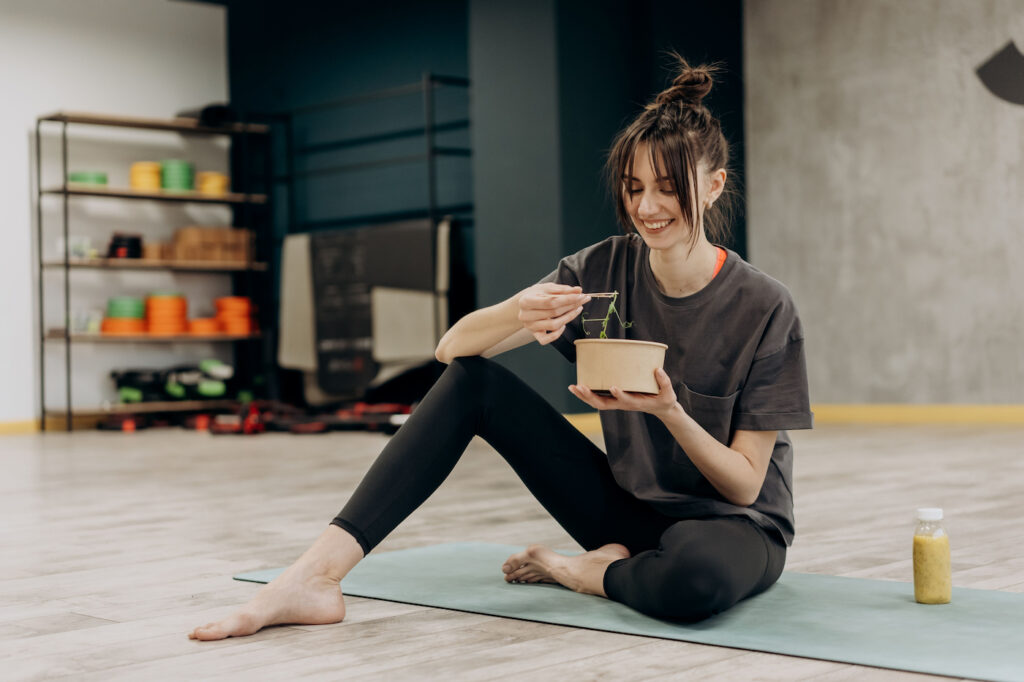
I personally do really well with structure, both with my training and my nutrition. I like having a general idea of when I’m going to eat, making sure I have food available around training, and knowing that I’m getting protein and carbohydrates consistently throughout the day. For me, the important distinction is whether that structure is helping me or whether it has turned into something rigid that I feel like I’m not allowed to deviate from.
I can prioritize protein throughout my day without needing to hit a perfect number every single day. I can know that I perform better when I eat carbohydrates before training without deciding there is one specific pre-workout snack I have to eat. I can plan what I’m having for dinner and still change my mind when dinner rolls around because something else sounds better.
There also needs to be room for my needs to change from day to day. My training isn’t exactly the same every day, and neither are my stress, sleep, schedule, or hunger levels, so it wouldn’t really make sense to expect my nutrition to look exactly the same either. If I’m hungrier after a hard training day, I’m going to eat more. If I need a bigger snack one afternoon than I normally do, I’m going to have it.
Structure gives me a foundation, but flexibility is what makes that structure sustainable.
I Use Nutrition Knowledge Without Turning It Into Nutrition Rules
Being a dietitian obviously means I know quite a bit about nutrition, and being an intuitive eater doesn’t mean I need to pretend that knowledge doesn’t exist. I know protein is important for muscle repair and recovery, carbohydrates are our body’s preferred fuel source for higher-intensity exercise, dietary fats play an important role in overall health, hydration matters, and eating enough overall is incredibly important for athletes.
The difference is how I use that information.
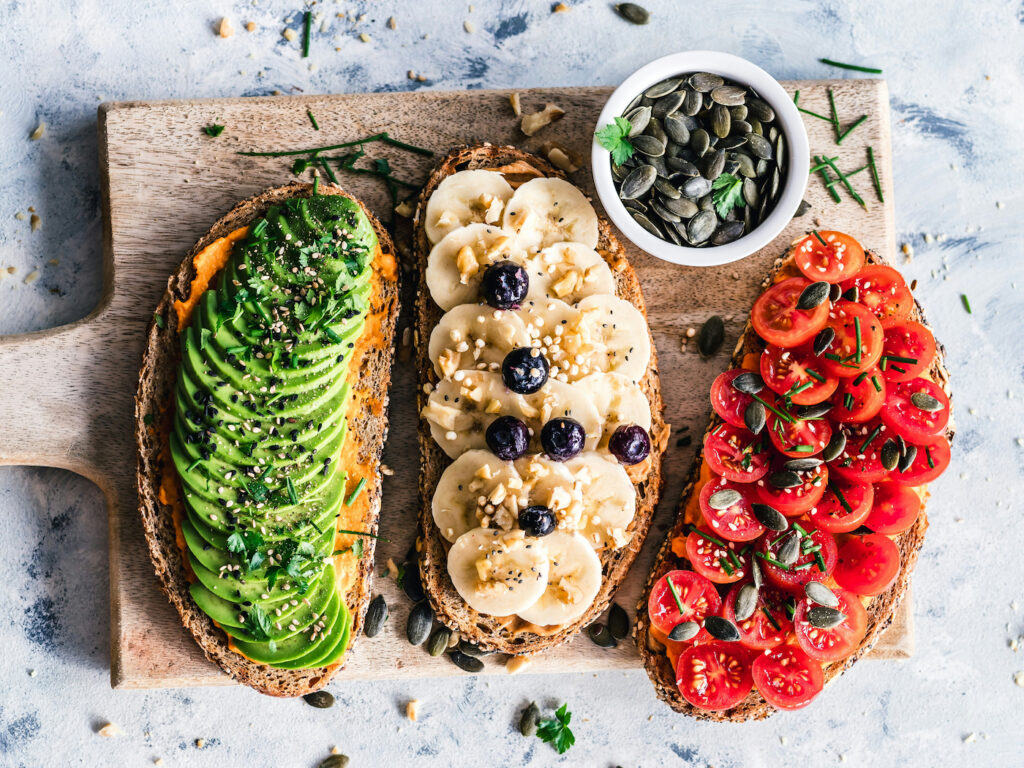
If I know I have a hard workout coming up, I’m probably going to make sure I eat some carbohydrates beforehand because I know I feel and perform better when I do. That might be a banana, a bagel, toast, or even a bag of fruit snacks depending on the situation. I’m not choosing those foods because there is one perfect pre-workout food that every athlete should eat. I’m choosing them because I know what carbohydrates do for my body, I know what sits well for me, and I know what helps me feel good during training.
The same thing applies after a workout. I know that getting protein and carbohydrates afterward is helpful for recovery, so I make it a priority, but what I choose can change depending on what sounds good, what I have available, and how hungry I am.
To me, that feels very different from following a rigid meal plan where I’m eating something simply because I’m “supposed to.”
Carbohydrates Are Fuel, Not Something I Have to Earn
Carbohydrates are probably one of the easiest examples of where nutrition knowledge and intuitive eating can work together, especially for athletes doing higher-intensity training.
I can absolutely tell the difference between going into a workout adequately fueled and trying to get through one without enough carbohydrates on board. Because of that, there are times when I intentionally add carbohydrates to my day because I know what I’m asking my body to do. I might have fruit snacks before a workout because I want quick energy, add toast or a bagel to breakfast because I have a longer training session later, or have rice, pasta, or potatoes with dinner because I trained that day and I’m going to train again tomorrow.
I’m not eating those carbohydrates because I exercised enough to “earn” them. I’m eating them because they are helping me do the exercise in the first place.
I think that is an important distinction for athletes because fueling shouldn’t be viewed as a reward for training. Fueling is part of training. We spend so much time thinking about our programming, recovery, accessories, technique, and everything else that can make us better athletes, but if we consistently show up underfueled, we’re making it a lot harder for our bodies to actually do what we’re asking them to do.
Your Body Gives You More Feedback Than You Think
One of the biggest things I’ve learned through being both an athlete and a dietitian is that underfueling doesn’t always look like walking around starving all day.
Signs of Underfueling:
- Feeling exhausted even though you slept enough
- Struggling to recover between workouts
- Irritability
- Trouble sleeping (waking throughout the night)
- Thinking about food constantly
- Noticing that your performance is starting to plateau.
- Sometimes you just start feeling like every workout is harder than it should be
When that happens to me, nutrition is one of the things I look at. I’ll think about how I’ve been eating over the past few days, whether I’ve been getting enough around my workouts, and whether my intake actually matches the amount of training I’ve been doing. I’m also looking at sleep, stress, recovery, and everything else going on because nutrition is never happening in isolation.
This is where I think intuitive eating can actually be really helpful for athletes because it teaches you to pay attention to the bigger picture instead of relying on one number or one specific signal from your body.

Planning Ahead Makes It Easier for Me to Eat Intuitively
I almost always have some kind of snack in my bag, especially if I know I’m going to be away from home for a while. I think about what I’m going to eat before training, and if I know I have a long session, I make sure I have something available afterward. When I’m traveling, competing, or going into a really busy day, I plan ahead a little more because I know there might not be as many opportunities to eat.
For me, planning ahead actually gives me more flexibility because I have options when I need them. There is nothing helpful about finishing a two-hour training session, realizing you’re starving, having nothing available, and then knowing you still have another hour before you can get home and make dinner.
Bringing a snack doesn’t mean I have to eat it just because I packed it. It means that if I get hungry, or if I know I need something to support my training or recovery, I have something available.
That’s the difference between planning ahead and following a rigid plan.
Being Competitive Doesn’t Mean My Nutrition Has to Be Perfect
I’m a competitive person, and I care a lot about my training. When I decide I want to get better at something, I want to put the work in and see how far I can go. I want to get stronger, improve my fitness, recover well, and continue progressing, so nutrition is obviously going to be part of that.
At the same time, I don’t want every food decision I make to be based on whether it is going to make me a better athlete.
Sometimes I eat something because I know it’s going to help me perform, and sometimes I eat something because it sounds really good. I can prioritize protein throughout the day and still have dessert. I can be more intentional with my nutrition leading into a competition and then go out to dinner afterward without worrying about whether the meal perfectly fits into some nutrition plan.
I use this analogy with my clients all the time: you don’t need to get 100% on every single test to pass a class. You can get an 80% and still pass the class and make progress, and I think nutrition is really similar.
One meal isn’t going to make or break your performance, just like one workout isn’t going to determine how fit you are. What you do consistently over time matters so much more, and I would much rather have an approach to nutrition that I can maintain for years than eat “perfectly” for a few weeks and hate every second of it.
Intuitive Eating as an Athlete Takes Practice
I definitely don’t want to make it sound like becoming an intuitive eater means you suddenly know exactly what your body needs all the time because that has not been my experience at all.
There have been plenty of times when I didn’t eat enough before training and felt terrible halfway through a workout. I’ve waited too long to eat afterward and ended up absolutely starving later, and I’ve eaten things before training that did not sit well once I started moving. Those experiences are actually part of how I’ve learned what works for me.
Instead of looking at those situations as failures, I try to use them as information. Maybe I needed a bigger snack before that workout, maybe I waited too long to eat, or maybe the food I chose just isn’t something that sits well for me before high-intensity training. The next time I’m in a similar situation, I can use what I learned and try something different.
Over time, that’s how you start to understand your body. You learn what foods feel good before training, what you tolerate during longer sessions, how much food leaves you feeling satisfied, and what being well-fueled and recovered actually feels like for you. Intuition isn’t magically knowing all of those things from the beginning. It develops as you pay attention to your body, experiment, and learn from how you feel.
So, What Does It Mean to Be an Intuitive Eater and a Competitive Athlete?
For me, being an intuitive eater and a competitive athlete means there is room for both intuition and intention. I can listen to my hunger and fullness while also understanding that there are going to be times when I need to eat proactively because of my training. I can have structure without becoming rigid, prioritize protein and carbohydrates without obsessing over perfect numbers, and care a lot about my performance without needing every food choice I make to revolve around becoming a better athlete.
I want to train hard, compete, continue getting stronger, and see what my body is capable of, but I also want to go out to dinner, travel, eat foods I love, have dessert, and enjoy experiences with the people around me. I don’t think those things have to compete with each other, and I actually think that’s one of the best parts about learning to eat intuitively as an athlete.
The goal isn’t to stop caring about nutrition. It’s learning how to use nutrition to support what you’re asking your body to do while still having flexibility, trust, and a life outside of food and training.
If you’re an athlete who feels like you’re constantly bouncing between trying to “eat perfectly” for performance and wanting more freedom around food, book a free consultation with No Diet Dietitian. We can help you find an approach that supports your training and your goals without making nutrition take over your life.
Written by our Registered Dietitian and board certified specialist, Ashleigh Angle.


+ show Comments
- Hide Comments
add a comment