



When we think about mental health, most people focus on therapy, mental health medications, and stress management. While these are essential tools, there is another powerful and often overlooked piece of the puzzle: nutrition.
If you have ever felt more anxious when you skip meals, foggy after a day of relying on quick processed foods, or calmer after a nourishing and balanced meal, there is a reason for that.
Your brain is not separate from your body. It relies on a steady supply of nutrients, balanced blood sugar, and well-regulated systems to function properly. When those needs are not met, your mental health can feel the impact. In fact, did you know that your brain consumes about 20% of the energy that we ingest daily?!
This is not about eating perfectly. It is about understanding how to support your brain so it can support you best.
Mental Health Is Biological, Not Just Psychological
Mental health challenges are not simply about mindset or personal failure. They are deeply connected to the body’s biological processes. Nutrition influences mental health through several key pathways- shown below.
Inflammation
Chronic low-grade inflammation is linked to depression and anxiety. Diets high in ultra-processed foods, added sugars, and refined carbohydrates can increase inflammation by promoting oxidative stress, blood sugar spikes, and disruption of the gut microbiome. In contrast, whole and nutrient-dense foods, such as fruits, vegetables, whole grains, legumes, nuts, seeds, and lean proteins, help reduce inflammation by providing antioxidants, fiber, and essential nutrients that support immune balance, stabilize blood sugar, and promote a healthier gut environment.
Neurotransmitter production
Your brain relies on chemical messengers to regulate how you feel, think, and respond to stress. These messengers influence mood, motivation, focus, and your ability to feel calm and balanced. Your body makes these messengers using nutrients from the food you eat, so when you are not getting enough nourishment, your brain may not have what it needs to function at its best.
Common examples of neurotransmitters we rely on include serotonin, dopamine, and GABA, which all play key roles in mood, focus, and stress regulation. These are built and supported by key nutrients such as amino acids (from protein foods like eggs, poultry, fish, dairy, tofu, and legumes), B vitamins (found in whole grains, leafy greens, beans, eggs, and dairy), omega-3 fatty acids (fatty fish like salmon, sardines, walnuts, chia seeds, and flaxseed), magnesium (leafy greens, nuts, seeds, beans, and dark chocolate), and iron and zinc (red meat, poultry, shellfish, beans, lentils, and pumpkin seeds).
Gut-brain connection
Your gut and brain are in constant communication. The health of your gut microbiome directly influences mood, stress resilience, and emotional regulation.
Oxidative stress
Oxidative stress occurs when harmful molecules (free radicals) build up in the body and overwhelm its ability to protect and repair itself. The brain is especially vulnerable to damage because it uses a lot of oxygen, contains a high amount of fat, and has fewer built-in antioxidants than other organs. Because of this, even small increases in harmful molecules or drops in protection can negatively affect brain health. Without enough antioxidants found in foods like berries, cherries, oranges, leafy greens, carrots, bell peppers, and green tea, your cells, including those in your brain, are more vulnerable to damage. This can impact mood and cognitive function.

Dietary Patterns Matter More Than Individual Foods
It is easy to look for a single superfood for mental health, but research consistently shows that overall eating patterns matter far more.
The Western diet and mood challenges
Dietary patterns high in ultra-processed foods, added sugars, low fiber intake, and high intake of saturated fats are associated with a higher risk of depression and anxiety. The Western diet pattern is associated with a 15% increased odds of incident depression.
These foods tend to:
- Increase inflammation
- Disrupt blood sugar stability
- Negatively impact gut health
Over time, this creates a physiological environment that makes emotional regulation harder, not because of a lack of effort, but because of a lack of support.
The Mediterranean pattern: a strong foundation for mental health
One of the most well-researched dietary patterns for mental health is a Mediterranean-style way of eating. This style of eating has provided the strongest evidence for mental health benefits, with meta-analyses showing a 33% reduction in incident depression risk demonstrated with high adherence.
This approach emphasizes:
- Fruits and vegetables
- Whole grains
- Beans and legumes
- Nuts and seeds
- Olive oil as a primary fat
- Fish a few times per week
- Limiting highly processed foods
People who follow this pattern more closely have been shown to have a significantly lower risk of depression. Studies also show that improving diet quality can reduce depressive symptoms even without weight loss.
In trials studying clinical depression, it was found that a 12-week Mediterranean diet intervention (without caloric restriction) led to significantly greater reductions in depressive symptoms compared to social support, independent of weight change. Supporting a key takeaway: You do not need to change your body size to support your mental health! You can start by supporting your body with better nourishment.
Nutrients That Play a Key Role in Mental Health
While overall patterns matter most, certain nutrients are especially important for brain function.
Omega-3 fatty acids: supporting mood and brain function
Omega-3s, especially EPA (eicosapentaenoic acid), help reduce inflammation, support brain cell structure, and improve communication between brain cells. Low intake is linked to increased risk of depression.
Research shows that omega-3 supplements with higher amounts of EPA (at least 60% of the total) and doses of about 1–2 grams per day can help reduce symptoms of depression significantly.
Food sources:
- Fatty fish such as salmon, sardines, and mackerel
- Walnuts
- Flaxseeds and chia seeds
- An Omega-3 Fish Oil Supplement as part of your approach can be a great option to support intake too! A potential option could be Nordic Naturals Ultimate Omega, which provides 1280mg Omega-3s per 2 soft gels, taken daily.
B vitamins: essential for brain chemistry
B vitamins, especially B6, B12, and folate, are critical for neurotransmitter production, energy levels, and cognitive function. Low levels are associated with fatigue, low mood, and difficulty concentrating.
Food sources:
- Leafy greens
- Whole grains
- Eggs
- Meat, dairy, and legumes
Vitamin D: mood and nervous system support
Vitamin D plays a role in mood regulation, immune health, and brain signaling. Low levels are commonly associated with depression. Sources include sunlight, fortified foods- like dairy milk, soy and almond milk, cereals, fortified orange juices, and some margarines.
A supplement can also be indicated to support adequate Vitamin D, especially for those living in northern regions during winter months. Taking 2000 IU daily of Vitamin D can often help support maintenance of vitamin D levels.
Minerals: small but powerful
Minerals such as magnesium, zinc, iron, and selenium support stress response, nervous system regulation, and mood stability. Low intake can contribute to fatigue, irritability, and increased stress sensitivity.
Food sources:
- Nuts and seeds
- Whole grains
- Dark chocolate
- Leafy greens
- Avocado
- Shellfish
- Eggs

Macronutrients and Mood: Why Balance Matters
Mental health nutrition is not just about vitamins. It is also about how your meals are structured.
Protein and dopamine
Protein provides amino acids like tyrosine, which help produce dopamine and other neurotransmitters related to focus and motivation. Some tyrosine-rich foods include: chicken or turkey, lean beef or bison, fish (salmon, tuna, cod), and soy foods including tofu, tempeh, and edamame. Aim to consume at least 4 servings or meals daily that provide 20-30 grams of quality protein each.
Supportive effects of adequate protein intake:
- Improved focus
- Better stress resilience
- More stable energy
Carbohydrates and serotonin
Carbohydrates help regulate serotonin. Serotonin modulates mood, anxiety, cognition, learning, memory, and sleep.
BUT the type (and amount) of carbohydrates we are consuming matters. While carbohydrate consumption can acutely increase brain serotonin synthesis, high glycemic index (GI) diets are associated with increased depression risk rather than mood improvement. This builds logic for pairing our carbohydrates at meals with protein, fiber, or fats to help reduce the impact on the blood sugar index.
Moderate carbohydrate intake (45%-60% of total daily energy intake) was associated with decreased depression risk, while both very low and very high carbohydrate intakes showed higher risk.
Important nuance:
- Including carbohydrates intentionally can support calmness and mood
- Cutting or overconsuming carbohydrates too aggressively can worsen irritability or low mood
The takeaway
Your brain benefits from:
- Protein for focus and drive
- Carbohydrates for calm and mood
- Fats for structure and long-term brain health
Balanced meals support all of these systems working together.
The Gut Brain Axis: Your Second Brain
Your gut does far more than digest food. It actively influences your mental health. The gut-brain axis is the two-way communication system between your digestive system and your brain, where gut health directly influences mood, stress, and mental well-being.
A healthy gut microbiome:
- Produces neurotransmitters- Fun fact, about 90% of serotonin is produced in the gut. Serotonin is often referred to as a “mood stabilizer.” It helps regulate anxiety, happiness, and overall mood. Low levels are strongly associated with depression, anxiety, and other mood disorders.
- Regulates inflammation
- Communicates directly with the brain
When gut health is off, mood often is too.
Support your gut by:
- Eating a variety of plant foods daily
- Including fiber regularly from whole grains, fruits, vegetables, nuts, and seeds
- Adding fermented foods like yogurt, kefir, or kimchi
- Limiting ultra-processed foods and added sugars
- Talking to a dietitian to see if a synbiotic is right for supporting your gut health
Inflammation and Stress: A Two-Way Street
Chronic stress increases inflammation in the body, and inflammation can worsen mental health symptoms. Nutrition plays a key role in breaking this cycle.
Foods that support lower inflammation:
- Fruits and vegetables
- Olive oil
- Avocados
- Whole Grains (oats, quinoa, brown rice, etc.)
- Nuts and seeds
- Fatty fish
- Spices and herbs (turmeric, ginger, garlic, cinnamon)
Foods that may increase inflammation:
- Highly processed foods (chips, packaged snacks, fast food)
- Added sugars (soda, candy, baked goods)
- Refined carbohydrates (white bread, pastries, many cereals)
- Fried foods (fried chicken, fries)
- Processed meats (bacon, sausage, deli meats)
- Excess alcohol
- Trans fats and some unhealthy fats (found in some packaged and fast foods)
This is not about eliminating foods. It is about shifting your overall pattern toward more support.
Practical Ways to Support Mental Health Through Nutrition
This is where things become actionable.
Focus on adding, not restricting
Start small:
- Add a vegetable to one meal per day
- Include a protein source at meals that provides 20-30 grams of protein
- Add a source of healthy fat to a snack or meal
Small steps create sustainable change.
Build balanced meals
A balanced day includes protein, carbohydrates, healthy fats, and fiber at each meal to support stable blood sugar, sustained energy, and improved mood and overall mental well-being.
Aim to include the following at most meals:
- Protein
- Carbohydrates
- Healthy fats
- Fiber
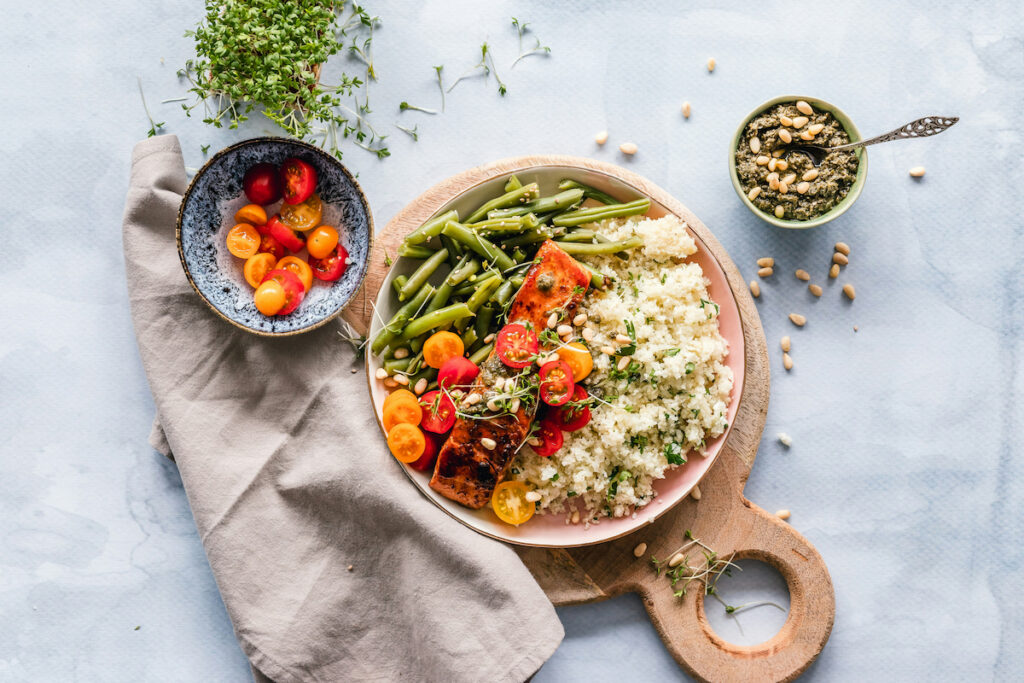
Eating these together helps regulate blood sugar, which directly impacts mood and energy. If you’re seeking guidance in pairing these foods- a plate-style model can be helpful- aiming for ¼ of that plate coming from protein, a ¼ from carbohydrates, an accent of healthy fat, and about half the plate coming from color/fiber foods- fruits and vegetables!
See a sample day of eating below-
- Breakfast: 3/4 -1 cup Unsweetened Greek yogurt, ½ cup berries, w/ 1-2 tsbp almond butter
- Lunch: Chicken (3-4oz) quinoa (½ cup) salad with vegetables (1-2 cups) and olive oil-based balsamic dressing (1-2 tbsp)
- Snack: 1 medium apple with 1oz mixed nuts
- Dinner: 4-6oz salmon, ½ cup roasted potatoes, 1-2 cups sauteed spinach
Eat consistently
Skipping meals can lead to irritability, anxiety, low energy, cravings and difficulty concentrating. Regular meals provide stability for both body and mind while also reducing cravings.
Support your gut
Include fiber-rich foods, fermented foods, and adequate hydration. Aim for about 2 liters of water per day for most people.
Keep it realistic
You do not need a perfect diet to feel better. Consistency over time matters far more than any single meal or day. PRO tip- If consistency feels hard on your own- connect with an RD for support and accountability.

The Bottom Line: Your Brain Needs Fuel, Not Just Coping Strategies
If you are struggling with mood, energy, or focus, it is not just about trying harder or thinking differently. Your brain may simply need more support.
When you:
- Nourish your body consistently
- Build balanced meals
- Reduce inflammatory patterns
- Support your gut
You create an internal environment where mental health can improve more naturally. This is not about perfection. It is about support!
Ready to Take a More Supportive Approach to Your Mental Health?
If you are feeling overwhelmed trying to figure out what your body needs, or noticing that your nutrition may be impacting your mood, you do not have to navigate it alone.
Our dietitians can help you:
- Identify gaps in your nutrition that may be affecting mental health
- Build realistic and sustainable eating patterns
- Support energy, mood, and focus without restriction
- Create a plan that fits your lifestyle
You deserve support that looks at the full picture, not just symptoms. Schedule an appointment with one of our dietitians to get started today!
Written by our Registered Dietitian and board certified specialist, Arielle Greenbaum.


+ show Comments
- Hide Comments
add a comment