




“Is it gluten-free?” “Should I be gluten-free?” “What even is gluten?” These are some of the most common questions in nutrition today—and honestly, it makes sense. Gluten has become the buzzword of the past decade, and at this point, it really could use a new publicist. Somehow, it turned into the most misunderstood guest at the dinner table and its newfound reputation has no signs of stopping as you doomscroll through social media.
But gluten wasn’t always seen this way. At the most basic level, gluten is simply a protein found in grains like wheat, barley, and rye. For years, it was just another part of everyday foods—bread, pasta, cereals—nothing controversial, nothing complicated. Then, somewhere along the line, things shifted. Between the rise of diet trends, social media influence, and very real medical conditions that require gluten to be avoided, the conversation around gluten became a lot more confusing. Even though it has become pervasive in our society, the concept hasn’t changed, people still seem to believe that they would be better off without it.
Now, gluten often gets labeled as something inherently “bad,” when in reality, the story is much more nuanced. For some individuals, avoiding gluten is absolutely necessary for their health. But for many others who have been avoiding it for years, it’s not something that needs to be eliminated—and doing so without a clear reason can sometimes make nutrition more restrictive than it needs to be.
So how did we get here? And more importantly, what actually matters when it comes to gluten and your health? The truth is, gluten itself isn’t the villain it’s often made out to be. Think about it, without gluten we wouldn’t have the Great British Baking Show! Like many things in nutrition, context matters. Understanding what gluten is, who actually needs to avoid it, and what role it plays in our diet can help cut through the noise and myths that have been circulated and bring a little clarity back to the table. Let’s dig in.
What is gluten?
Gluten is a protein found in grains like wheat, barley, and rye, and its main job is to give food structure and texture. It acts like a glue that helps hold ingredients together, which is why bread is soft and stretchy and dough can rise and keep its shape. It also helps trap air during baking, giving things like bread and pastries that light, chewy consistency. To put it into everyday thinking, gluten is the scaffolding of our baked goods- it is truly holding up the entire operation. So when you’re eating foods with gluten, you’re really getting that structure, elasticity, and texture that makes those foods feel satisfying and hold together the way they do.

What is Celiac Disease?
Celiac disease is an autoimmune condition in which the body’s immune system reacts abnormally to gluten, the protein found in wheat, barley, and rye. When someone with celiac disease consumes gluten, their immune system revs up and mistakenly attacks the lining of the small intestine. More specifically, it damages the villi—small, finger-like projections that play a critical role in absorbing nutrients from food. Over time, this damage can interfere with proper nutrient absorption and lead to a wide range of symptoms and potential deficiencies.
So what’s the cure for celiac disease? There isn’t one. However, the treatment is very clear and highly effective: a strict, lifelong gluten-free diet. By completely eliminating gluten, the immune system response is no longer triggered, which in turn allows the intestinal lining to heal and the villi to regrow. As the gut heals, symptoms typically improve and nutrient absorption returns to normal. While it may sound simple, maintaining a gluten-free diet requires consistency and attention to detail, as even small amounts of gluten can cause damage to the small intestine. That said, with proper management, individuals with celiac disease can feel well and maintain overall health without any effect on their lifespan. It is important to note that there are long term risk factors if a patient does not follow a gluten free diet after Celiac diagnosis, for example, osteoporosis, malnutrition, and certain forms of cancer. Even with long term dietary adherence, these patients are at higher risk for developing autoimmune thyroid conditions as well as Type I Diabetes.
When it comes to adults and children, celiac disease doesn’t always look the way you might expect, which can make it easy to miss. While some children do have more classic digestive symptoms, others may show more subtle or unrelated signs. Common symptoms to watch for include ongoing stomach pain, bloating, gas, diarrhea, or constipation. Some children may also have nausea or a decreased appetite. However, celiac disease can also show up in ways that don’t seem directly related to digestion. For example, a child may have poor weight gain, slowed growth, or fall off their growth curve. Fatigue, irritability, or difficulty concentrating can also be signs, especially if nutrient absorption is being affected.
You might also notice things like frequent headaches, iron deficiency that doesn’t improve with supplementation, or even behavioral changes. In some cases, children may develop a rash or have delays in puberty as they get older.
Another important thing to keep in mind is that some children may have very mild symptoms—or none that are obvious at all—while still experiencing internal damage.
If there are ongoing concerns, especially around growth, persistent GI symptoms, or unexplained nutrient deficiencies, it’s worth discussing with a primary care provider and/or pediatrician. Early identification and treatment can make a big difference in helping patients to feel better and children to grow appropriately.
Testing for Celiac Disease:
- Blood tests: tTG- IgA, Total IgA, EMA IgA
- Genetic Testing- HLA-DQ2 or HLA-DQ8
- Endoscopy with biopsy- the gold standard and always used for confirmation

What is Gluten Intolerance (Non-Celiac Gluten Sensivity)?
Gluten intolerance is a real issue, but it’s different from celiac disease in an important way. While both can cause similar symptoms like bloating, stomach pain, gas, fatigue, or changes in bowel habits, gluten intolerance does not cause damage to the small intestine. In celiac disease, the immune system attacks the lining of the gut when gluten is consumed, but with gluten intolerance, the body simply doesn’t feel good when gluten is consumed.
Because there is no intestinal damage with gluten intolerance, it is not considered an autoimmune condition, and it does not carry the same long-term risks as Celiac disease. However, that doesn’t make the symptoms any less real or uncomfortable. Many people with gluten intolerance still feel significantly better when they reduce or avoid gluten in their diet.
The good news is that, similar to celiac disease, symptoms can be managed through diet. Avoiding gluten often helps relieve discomfort and improve how you feel overall. The difference is that some individuals with gluten intolerance may be able to tolerate small amounts of gluten, while others feel best avoiding it more consistently. It really comes down to listening to your body and finding what works best for you.
Testing for Gluten Intolerance:
- Blood tests: used to rule out Celiac Disease and Wheat Allergy
- Working with a dietitian to follow a gluten elimination diet and gluten challenge plan
What is a Wheat Allergy?
A wheat allergy is a type of food allergy where the body reacts to proteins found in wheat. When someone with a wheat allergy eats wheat, their immune system responds by releasing chemicals like histamine, which can lead to allergy symptoms. This is different from Celiac disease and gluten intolerance. A wheat allergy is only related to wheat, while gluten is also found in other grains like barley and rye.
Symptoms of a wheat allergy can include digestive issues like stomach discomfort, but they can also look more like a typical allergic reaction. This may include hives, itching, a runny nose, or swelling. In more serious cases, it can cause a severe reaction that requires immediate medical attention.
For someone with a wheat allergy, the main approach is to avoid foods that contain wheat. This often means reading labels and being aware of ingredients in packaged foods. With the right precautions, people with a wheat allergy can manage their symptoms and maintain a balanced diet.
Testing for Wheat Allergy:
- Skin prick test
- Blood test- IgE

The best Celiac Disease/Non-Celiac gluten sensitivity resources:
There is a lot of misinformation online, so it’s important to rely on well-established organizations and medical sources as resources.
One of the most comprehensive resources is the Celiac Disease Foundation. This organization provides easy to understand information on diagnosis, symptoms, and living gluten-free, along with updates on research and treatments. Beyond Celiac offers excellent tools for patients, including guides for newly diagnosed individuals, school resources, and practical tips for daily life as well as recipes. Both organizations focus on research and advocacy.
Another helpful resource is the National Celiac Association, which provides support for individuals and families, including recipes, dining guidance, and a Q&A section. These organizations are especially helpful for learning how to manage a gluten-free lifestyle in real-world settings. Additionally, community-based platforms like Celiac.com can be helpful for practical tips and shared experiences, especially when adjusting to a gluten-free lifestyle.
The most resourceful and knowledgeable source to help you on your journey will be a Registered Dietitian who has the expertise and extensive knowledge to make a gluten free transition seamless and informative.
So the question on everyone’s mind is, should I limit gluten???
So, should individuals who do not fall into these categories avoid gluten? The short answer is—no. If you do not have Celiac disease, a wheat allergy, or a true intolerance, there is generally no need to remove gluten from your diet. In fact, many gluten-containing foods, especially whole grains, offer important health benefits that support overall wellness.
Heart Health:
Whole grains that contain gluten, such as whole wheat, are rich in fiber. This type of fiber can help lower LDL (“bad”) cholesterol levels, which supports heart health. These foods also provide important minerals like magnesium and potassium, which both play a role in maintaining healthy blood pressure.
Blood Sugar Control:
The fiber found in gluten containing whole grains helps slow down digestion. This leads to a more gradual digestion and release of sugar into the bloodstream, helping to prevent blood sugar spikes and crashes in blood sugar levels. Over time, this can support better overall blood sugar control and improve Hemoglobin A1c%. Fiber also supports a healthy gut microbiome, which is linked to reduced inflammation and improved insulin sensitivity.
Iron:
Many gluten-containing grains are good sources of iron, an essential nutrient that helps your body produce healthy red blood cells. Iron is critical for carrying oxygen throughout the body, including the brain and supporting energy levels.
B Vitamins:
Gluten-containing foods, particularly whole and enriched grains, provide a range of B vitamins including B1 (thiamin), B2 (riboflavin), B3 (niacin), B6, and folate. These vitamins are essential for energy production, brain function, and maintaining a healthy nervous system.
Gut Health:
Whole grains that contain gluten also provide prebiotic fibers, which help feed the good bacteria in your gut. A healthy gut microbiome plays a role in digestion, immune function, and even mood regulation.
Alternatives for Those Who Need to Avoid Gluten:
For individuals who do need to follow a gluten-free diet, there are still many nutritious options available. Naturally gluten-free grains and starches such as rice, quinoa, potatoes, corn, millet, amaranth and oats (when labeled gluten-free) can provide similar nutrients. The key is to focus on whole, minimally processed foods to ensure you’re still getting enough fiber, vitamins, and minerals.
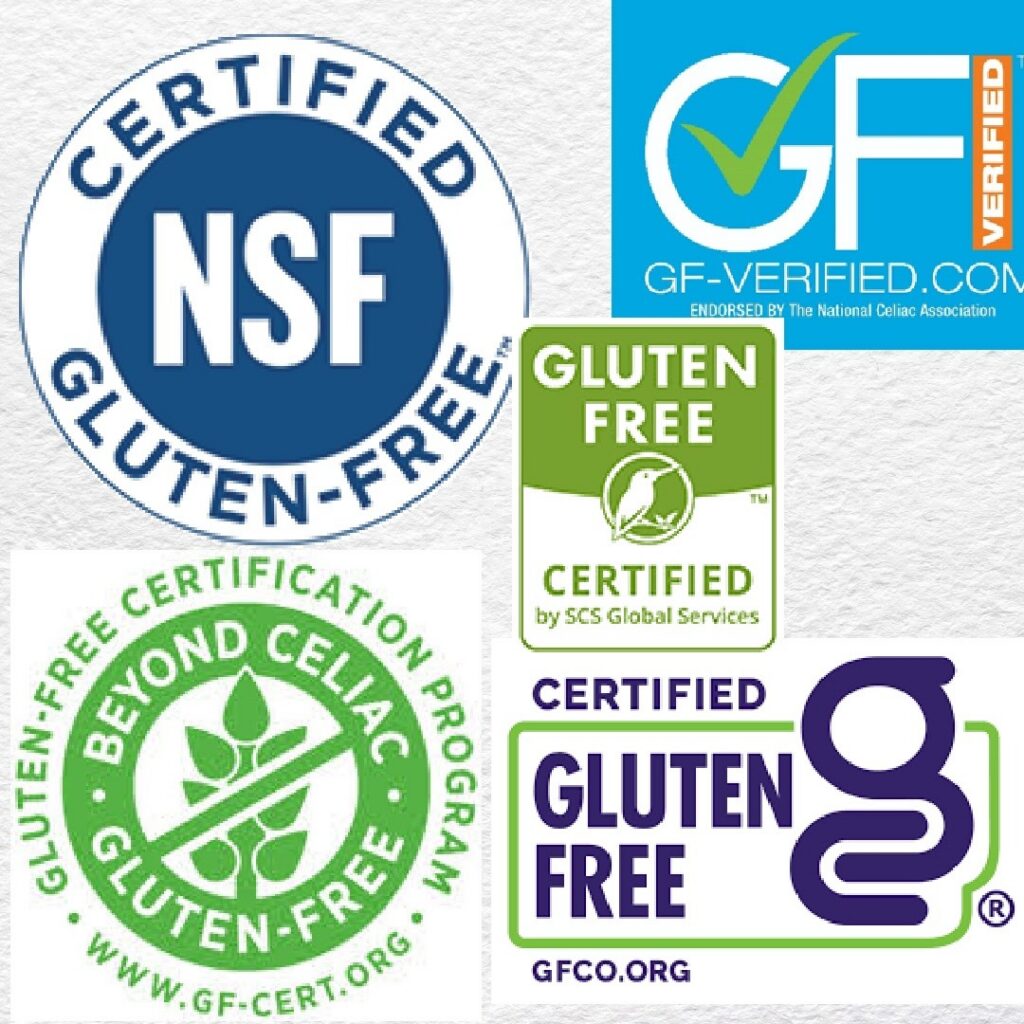
Trustworthy gluten free brands include: Udi’s, Schar, Canyon Bakehouse, Jovial, Bob’s Red Mill (product dependent), Whole Foods Gluten free product line, Trader Joe’s gluten free product line, among many more. When analyzing the trustworthiness of gluten free products, always be sure to look for one of the stamps below:
Conclusion
At the end of the day, gluten isn’t something to fear, it’s something to understand. While there are certain individuals who truly need to avoid it for medical reasons, most people can include gluten as part of a balanced, healthy diet without issue. The key is focusing less on trends and more on what your body actually needs. When we move away from the noise and get back to the basics, nutrition becomes a lot simpler and a lot less stressful.
Written by our Registered Dietitian and board certified specialist, Arielle Greenbaum.
Sources:
- https://celiac.org/non-celiac-gluten-sensitivity-shows-distinct-immune-response/
- https://www.ncbi.nlm.nih.gov/books/NBK538505/
- https://www.gastro.theclinics.com/article/S0889-8553(20)30100-X/abstract
- https://www.mdpi.com/2304-8158/10/8/1765
- https://www.frontiersin.org/journals/nutrition/articles/10.3389/fnut.2020.00152/full
- https://link.springer.com/article/10.1007/s10620-022-07802-3
- https://www.cambridge.org/core/journals/nutrition-research-reviews/article/noncoeliac-gluten-sensitivity-and-the-spectrum-of-glutenrelated-disorders-an-updated-overview/6CEF4A7FA847BF6164BE880B69380D6D
- https://www.sciencedirect.com/science/article/pii/S1044532325000028
- https://injohnnaskitchen.com/2022/05/gluten-free-certification-do-you-recognize-the-symbols/


+ show Comments
- Hide Comments
add a comment