




I remember when I first found out I was pregnant with my daughter. As the recovering perfectionist that I am, I was ready to do everything by the book; take my prenatals religiously, eat nutrient dense foods, and follow all the “pregnancy rules.” Of course, as not only a soon-to-be mom but also as a registered dietitian, I decided to look into the research. I discovered that there was a difference between recommendations for optimal pregnancy nutrition versus what was actually in my multivitamin bottle.
A majority of popular drugstore prenatal vitamins are designed to meet minimum requirements and to prevent deficiency diseases, not to provide optimal nutrition for pregnancy. They’re missing some of the most important nutrients for your baby’s brain development, your own energy levels, and long-term health outcomes.
Critical Nutrients Often Missing from Your Prenatal
As we go through these nutrients, you (like myself) may be wondering why there is such a big gap in recommendations and what is actually in our prenatals. Here are a few reasons why these gaps exist:
Formulation challenges: Some nutrients are simply difficult to fit into a pill. Choline, magnesium, and omega-3s are bulky compounds that would require massive tablets—or multiple pills per day—to include in adequate amounts. Most manufacturers prioritize keeping their prenatal as a single, swallowable tablet.
Regulatory focus on preventing deficiency diseases: Prenatal vitamin formulations are largely based on preventing severe deficiency diseases like neural tube defects (folic acid) and anemia (iron), rather than optimizing for peak health outcomes. These regulations were established decades ago and haven’t fully caught up with current research.
Cost and shelf stability: Some nutrient forms are more expensive or less stable over time. Manufacturers often choose cheaper, more stable forms (like cyanocobalamin for B12 or folic acid instead of methylfolate) even if they’re not as well-absorbed or utilized by the body.
Relatively recent recognition: Some nutrients, like choline, were only officially recognized as essential in 1998. That’s recent in the world of nutrition science, and it takes time for industry standards to catch up with research.
Ultimately your prenatal covers the basics, but optimal pregnancy nutrition requires a more comprehensive approach. That’s where food and targeted supplementation come in.
Choline: The Brain-Building Nutrient
Why it matters: Choline is essential for your baby’s brain development and neural tube formation. Inadequate choline intake is linked to increased risk of neural tube defects—even when folic acid intake is adequate—plus cognitive deficits in offspring and maternal health complications.
The gap: You need 450 mg in the first trimester and 550 mg after that, with some research suggesting even higher amounts (up to 930 mg/day) may provide additional benefits for your baby’s brain development. Most prenatal supplements either contain no choline or provide less than 55 mg per dose.
Food sources: Egg yolks are your best bet (two whole eggs provide about 250 mg), along with beef liver, salmon, and beef.
Supplementation: Common forms include choline bitartrate, choline chloride, and phosphatidylcholine. Since most women only get 233–383 mg/day from food, additional supplementation is usually needed. Your dietitian can help assess your current intake and make personalized recommendations.

DHA: More Than Just “Brain Food”
Why it matters: DHA supports your baby’s brain and eye development, especially during the third trimester when brain growth accelerates. It also helps prevent preterm birth and supports your mental health during pregnancy.
The gap: Expert organizations recommend at least 200-250 mg/day of DHA during pregnancy, with some studies showing benefits up to 600-1000 mg/day. Many prenatals contain 200 mg or less—and some have none at all.
Food sources: Fatty fish like salmon, herring, sardines, mackerel, and trout, plus low-mercury options like canned light tuna. Aim for 2–3 servings (4 oz each) per week, which provides about 200-300 mg DHA daily.
Supplementation: Look for high-quality omega-3 supplements with USP verification. If you’re vegetarian, choose algae-based supplements. Most supplements contain both DHA and EPA (another beneficial omega-3). While DHA is most critical for baby’s brain development, EPA supports your cardiovascular health and reduces inflammation.
Magnesium: The Calming Mineral
Why it matters: Magnesium supports over 300 body processes, helps prevent preeclampsia, reduces leg cramps, and supports healthy blood sugar levels. It’s also crucial for your baby’s bone and tooth development.
The gap: Most prenatals provide only 50-90 mg, while you need 350-360 mg/day during pregnancy. This leaves a 260-310 mg gap that most pregnant women struggle to fill through diet alone.
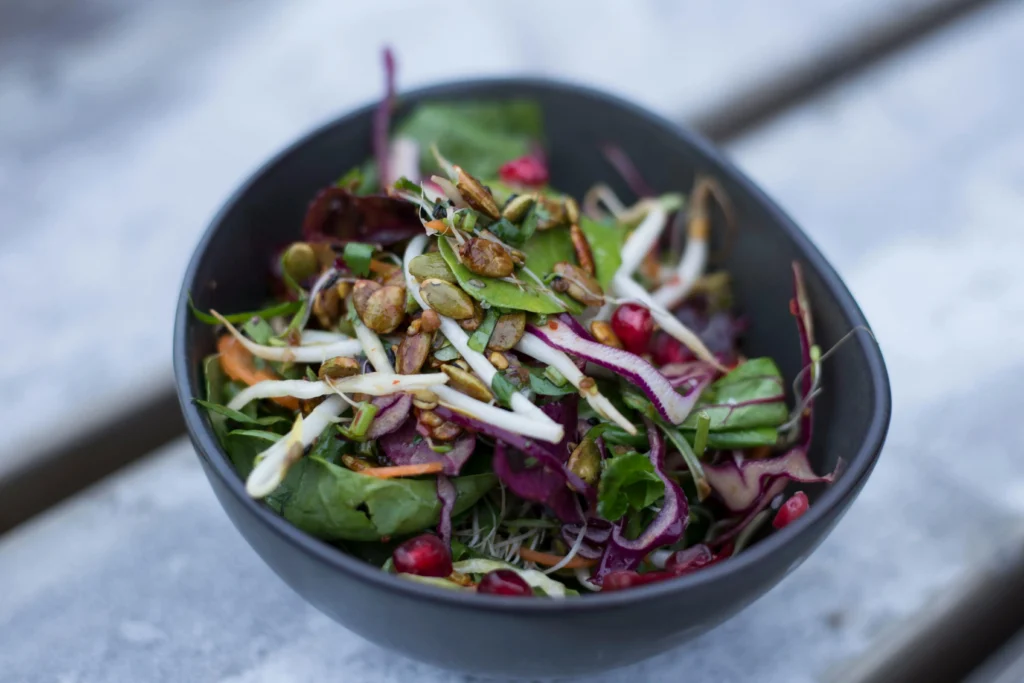
Food sources: Nuts and seeds are your best sources, especially pumpkin seeds, almonds, and cashews. Dark leafy greens (cooked spinach, Swiss chard), legumes (black beans, edamame), whole grains (quinoa, whole wheat pasta), avocados, dark chocolate, and potatoes with skin are also excellent choices.
Easy wins: Add pumpkin seeds to yogurt or salads, snack on almonds, include cooked greens at dinner, choose whole grains over refined, and enjoy avocado or dark chocolate as treats.
Supplementation: While magnesium-rich foods should be your first approach, supplementation (300-365 mg/day) may be beneficial, especially if you’re at risk for preeclampsia. Magnesium glycinate is well-absorbed and gentle on the stomach.
Folate vs. Folic Acid: Not All Forms Are Equal
Why it matters: This is crucial to understand. Folate and folic acid are often used interchangeably, but they’re different. Folate is the natural form found in food, while folic acid is synthetic.
The problem with folic acid: Your body must convert folic acid into its active form (5-MTHF) through several steps. Up to 40% of people have genetic variations (in the MTHFR gene) that make this conversion less efficient. This can lead to unmetabolized folic acid building up in your bloodstream, which may interfere with folate function.
Why folate is better: Methylfolate (5-MTHF) is the active form your body uses directly. It bypasses the conversion process entirely, making it immediately available regardless of your genetics—especially important during pregnancy when folate needs are highest.
The gap: Most prenatals contain 400-800 mcg of synthetic folic acid rather than methylfolate.
Food sources: Dark leafy greens, asparagus, avocado, legumes, and citrus fruits provide natural folate that’s well-absorbed.
Supplementation: Look for “methylfolate,” “5-MTHF,” or “5-methyltetrahydrofolate” on supplement labels. Ask your dietitian for brand recommendations.
Other B-Vitamins: Forms Matter Here Too
B12: Most prenatals use cyanocobalamin (the cheapest form), but methylcobalamin or hydroxocobalamin are more bioactive and better utilized by your body.
B6: Pyridoxine (the common form) needs conversion to the active P5P form. Some people don’t convert this efficiently, especially at higher doses.
Iodine: Essential for Brain Development
Why it matters: Iodine is crucial for thyroid hormone production, which regulates your baby’s brain development, especially in the first trimester.
The gap: About half of prenatal vitamins contain no iodine, and salt intake varies widely.
Food sources: Seaweed, seafood, dairy products, and iodized salt.
Supplementation: Look for potassium iodide in your prenatal or as a separate supplement. Aim for 220-250 mcg daily.
A Food-First Approach
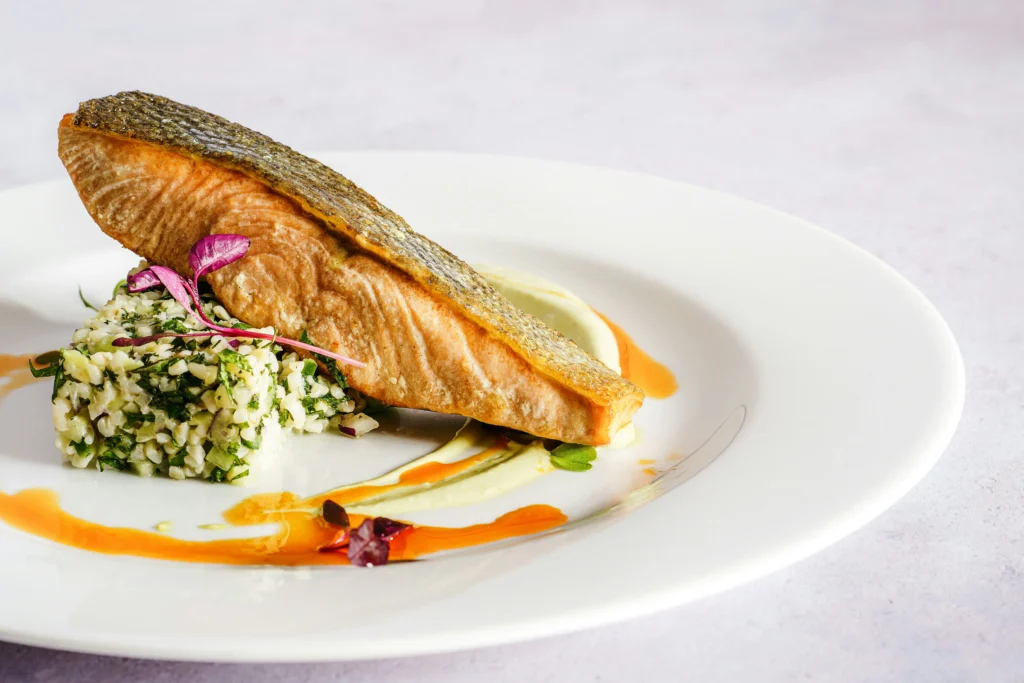
Supplements are important, but whole foods should be your foundation. Here’s how to maximize nutrition:
Prioritize nutrient-dense foods: Eggs, fatty fish, colorful vegetables, and full-fat dairy from grass-fed sources when possible. If you can tolerate them, organ meats are nutritional powerhouses—I sneak liver into beef meatballs!
Eat the rainbow: Different colored fruits and vegetables provide different nutrients that support pregnancy health.
Don’t fear healthy fats: Your baby’s brain is 60% fat, and many vitamins need fat to be absorbed. Include avocados, nuts, seeds, and olive oil.
Consider traditional foods: Bone broth, fermented foods, and organ meats provide nutrients in forms your body recognizes. Get creative with how you incorporate them.
Smart Supplementation Strategies
Quality matters: Look for third-party tested products (USP, NSF, or Informed Choice certifications).
Timing counts: Take fat-soluble vitamins (A, D, E, K) with meals containing fat. Iron absorbs best on an empty stomach but can be taken with vitamin C if it bothers you.
Consider your individual needs: Vegetarians need extra attention to B12, iron, and DHA. Live in a northern climate? Vitamin D becomes even more important.
Work with your dietitian: They can identify gaps in your diet and make personalized recommendations.
Your prenatal vitamin is a great start, but it’s not the complete picture. Work with a dietitian familiar with prenatal nutrition to create a personalized plan that supports both you and your growing baby.
Written by our Registered Dietitian and board certified specialist, Cait Pfeifer.
Resources:
- Mokashi M, Cozzi-Glaser G, Kominiarek MA. Dietary Supplements in the Perinatal Period. Obstet Gynecol. 2025 Oct 31. doi: 10.1097/AOG.0000000000006098. Epub ahead of print. PMID: 41166712.
- Miketinas D, Luo H, Firth JA, et al. Macronutrient and Micronutrient Intake Among US Women Aged 20 to 44 Years. JAMA Netw Open. 2024;7(10):e2438460. doi:10.1001/jamanetworkopen.2024.38460
- Jaiswal A, Dewani D, Reddy LS, Patel A. Choline Supplementation in Pregnancy: Current Evidence and Implications. Cureus. 2023 Nov 8;15(11):e48538. doi: 10.7759/cureus.48538. PMID: 38074049; PMCID: PMC10709661.
- Bahnfleth CL, Strupp BJ, Caudill MA, Canfield RL. Prenatal choline supplementation improves child sustained attention: A 7-year follow-up of a randomized controlled feeding trial. FASEB J. 2022 Jan;36(1):e22054. doi: 10.1096/fj.202101217R. PMID: 34962672; PMCID: PMC9303951.
- Obeid R, Derbyshire E, Schön C. Association between Maternal Choline, Fetal Brain Development, and Child Neurocognition: Systematic Review and Meta-Analysis of Human Studies. Adv Nutr. 2022 Dec 22;13(6):2445-2457. doi: 10.1093/advances/nmac082. PMID: 36041182; PMCID: PMC9776654.
- Nguyen HT, Oktayani PPI, Lee SD, Huang LC. Choline in pregnant women: a systematic review and meta-analysis. Nutr Rev. 2025 Feb 1;83(2):e273-e289. doi: 10.1093/nutrit/nuae026. PMID: 38607338.
- Derbyshire EJ. Choline in Pregnancy and Lactation: Essential Knowledge for Clinical Practice. Nutrients. 2025 Apr 30;17(9):1558. doi: 10.3390/nu17091558. PMID: 40362867; PMCID: PMC12073457.
- Carlson SE, Colombo J, Gajewski BJ, Gustafson KM, Mundy D, Yeast J, Georgieff MK, Markley LA, Kerling EH, Shaddy DJ. DHA supplementation and pregnancy outcomes. Am J Clin Nutr. 2013 Apr;97(4):808-15. doi: 10.3945/ajcn.112.050021. Epub 2013 Feb 20. PMID: 23426033; PMCID: PMC3607655.
- Abdelrahman MA, Osama H, Saeed H, Madney YM, Harb HS, Abdelrahim MEA. Impact of n-3 polyunsaturated fatty acid intake in pregnancy on maternal health and birth outcomes: systematic review and meta-analysis from randomized controlled trails. Arch Gynecol Obstet. 2023 Jan;307(1):249-262. doi: 10.1007/s00404-022-06533-0. Epub 2022 Mar 28. PMID: 35348829.
- Lanehart D, Uzoma C, Zaman MS, Akimbekov NS, Lopez-Alvarenga JC, Razzaque MS. Maternal and Fetal Magnesium Balance: Impacts and Implications. Adv Exp Med Biol. 2026;1493:133-139. doi: 10.1007/978-3-032-04357-3_11. PMID: 41219604.


+ show Comments
- Hide Comments
add a comment