


Do you ever feel like you need to eat so little throughout the day or that you need to cut your portion sizes in half (or less) in order to be successful with weight loss? If so, you are certainly not alone. This is a common misconception when it comes to losing weight. The good news is that there is an alternative to restrictive eating that can not only help you achieve your weight loss goals but also allow you to enjoy satisfying and nourishing meals. This concept is known as high-volume, low-calorie eating: an approach that can be both physically and visually satisfying while helping you feel satiated at each mealtime.
So, what exactly is high-volume, low-calorie eating? Essentially, it involves choosing foods that are higher in water and fiber content, low in calories, and rich in nutrients. By focusing on these foods, you can consume larger portions without exceeding your calorie needs, which can help you achieve satisfaction at mealtimes. This strategy can be a game changer for weight loss, as it allows you to eat more food while maintaining a safe and manageable calorie deficit.
Examples of High-Volume, Low-Calorie Foods:
There are a variety of foods that fall into this category, here are some examples:
- Cruciferous vegetables (e.g., broccoli, Brussels sprouts, cauliflower)
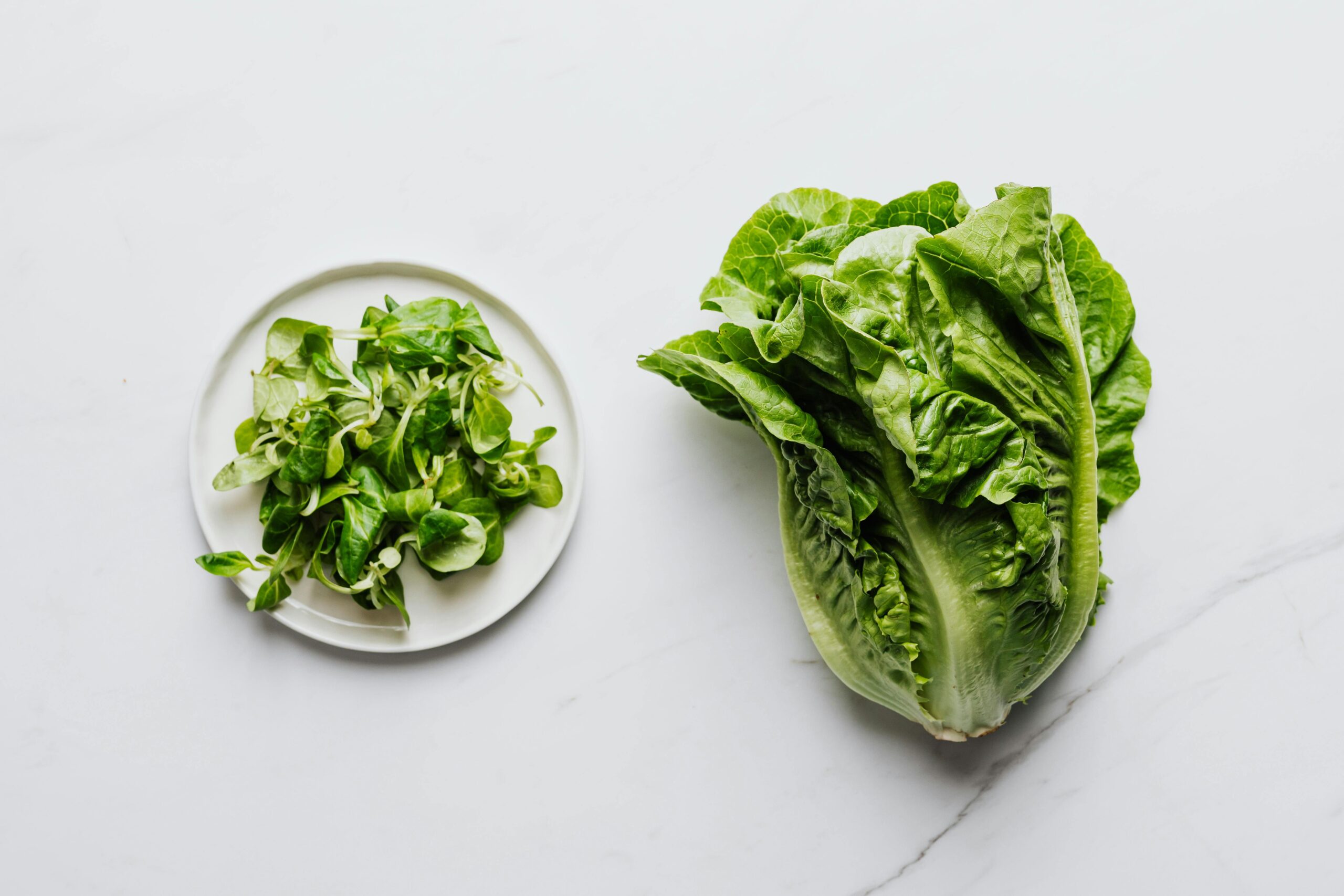
- Leafy green vegetables (e.g., spinach, kale, arugula, romaine lettuce)
- Root vegetables (e.g., carrots, radishes, beets)
- Celery
- Zucchini
- Snap peas
- Cucumbers
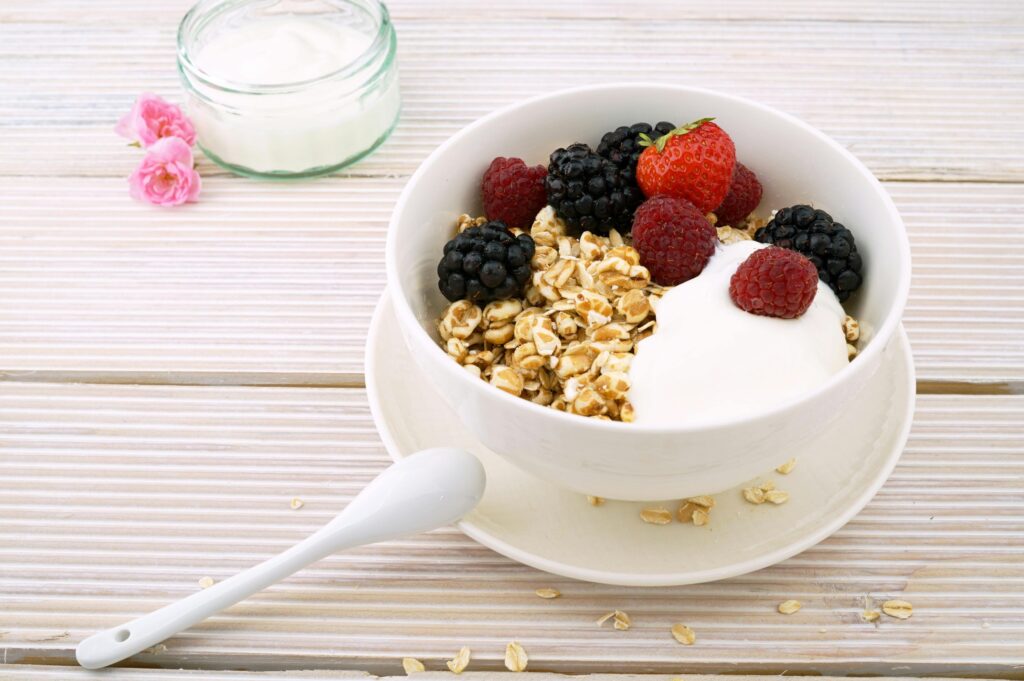
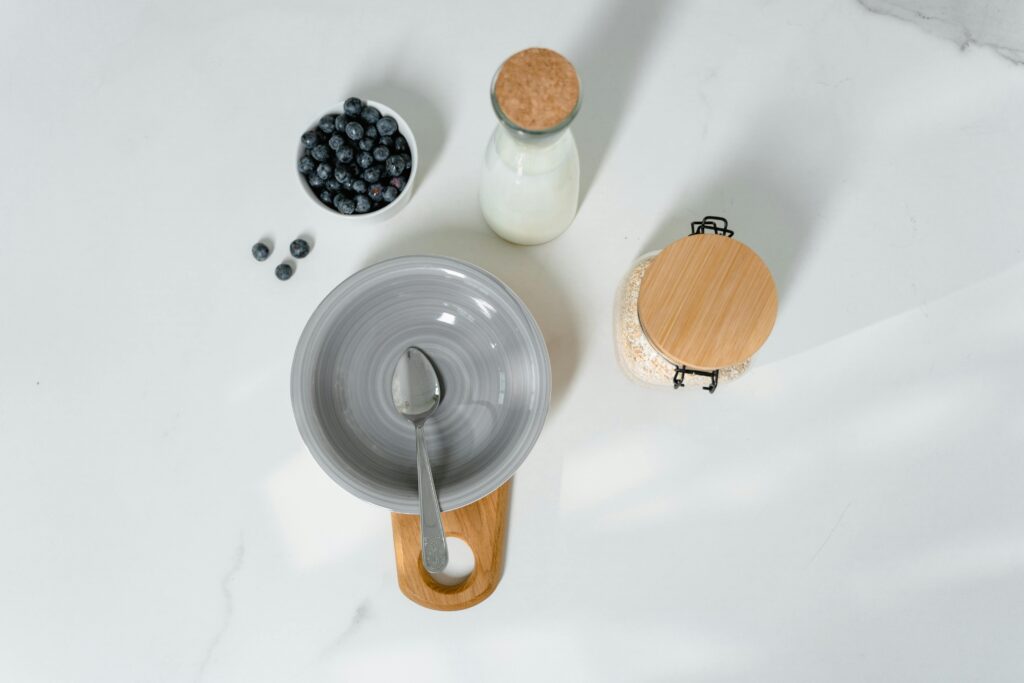
- Berries (e.g., blueberries, raspberries, strawberries)
- Watermelon
- Popcorn (air-popped)
- Low-fat Greek yogurt
- Low-fat cottage cheese
- Oats/oatmeal
- Potatoes (especially boiled or baked)
- Lean animal protein (e.g., skinless chicken, turkey, fish, egg whites)
These foods are not only low in calories but also incredibly nutrient dense, meaning, they provide essential vitamins, minerals, and antioxidants that support overall health and well-being. It also helps that they are all incredibly delicious tasting too! For example, cruciferous vegetables like broccoli and Brussels sprouts are packed with fiber and phytonutrients, while berries are rich in antioxidants, fiber, vitamins and minerals.
The Benefits of High-Volume, Low-Calorie Foods:
One of the primary benefits of incorporating high-volume, low-calorie foods into your diet is that they help you avoid the feeling of deprivation that often accompanies traditional dieting. Here at No Diet Dietitian, it is our goal to avoid that mentality completely so that you can feel empowered and nourished when it comes to your daily nutrition. When you’re eating larger portions of satisfying foods, you tend to be less likely to experience extreme hunger or cravings which can help you achieve your weight loss goals.
Another advantage to this style of eating is that these foods tend to have a high water and fiber content, which contributes to a feeling of fullness also known as satiation. For example, vegetables such as zucchini and cucumbers are composed primarily of water, while oatmeal and berries are high in fiber, both of which help slow digestion and keep you feeling satiated for longer. Additionally, many of these foods are naturally low in dietary fat, which lowers their calorie content.
High-volume, low-calorie eating also promotes a balanced approach to nutrition. By including a variety of vegetables, fruits, lean proteins, and whole grains in your meals, you can ensure that you are receiving a wide variety of nutrients to support your overall health and well-being. This approach can help improve your relationship with food, as it focuses on consistency rather than restriction.
Visualizing Your Plate:
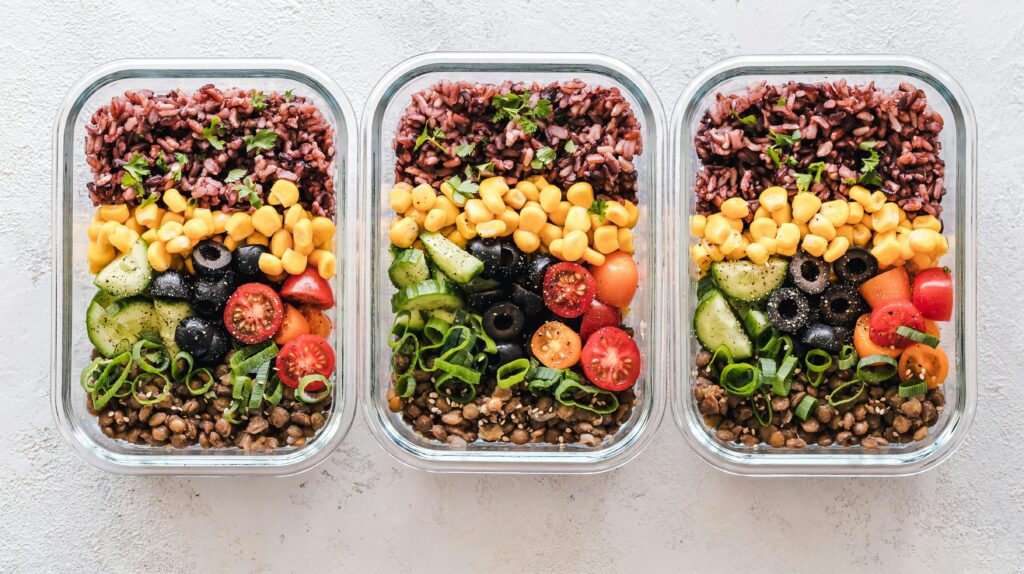
To make high-volume, low-calorie eating a part of your daily routine, it can be helpful to visualize your plate. Here’s an example of how to structure a balanced, satisfying meal:
- ¼ to ½ of your plate: high-volume, low-calorie vegetables (e.g., roasted zucchini, steamed broccoli, or a fresh spinach salad)
- ¼ to ½ of your plate: lean animal protein (e.g., grilled chicken breast, baked fish, or ground turkey meatballs)
- ¼ of your plate: starches or whole grains (e.g., quinoa, farro, or a baked sweet potato)
This plate composition not only provides a visually appealing and portion-appropriate meal but also ensures that you are receiving a balance of macronutrients (protein, carbohydrates, and fats) and micronutrients (vitamins and minerals). By filling a significant portion of your plate with low-calorie vegetables, you can increase the overall volume of your meal without significantly increasing its calorie content. If you are a visual person, this concept can be incredibly helpful to avoid restriction.
Practical Tips for Incorporating High-Volume, Low-Calorie Foods:
Incorporating high-volume, low-calorie foods into your diet does not have to be intimidating. Here are some helpful tips to get started:
- Plan ahead:
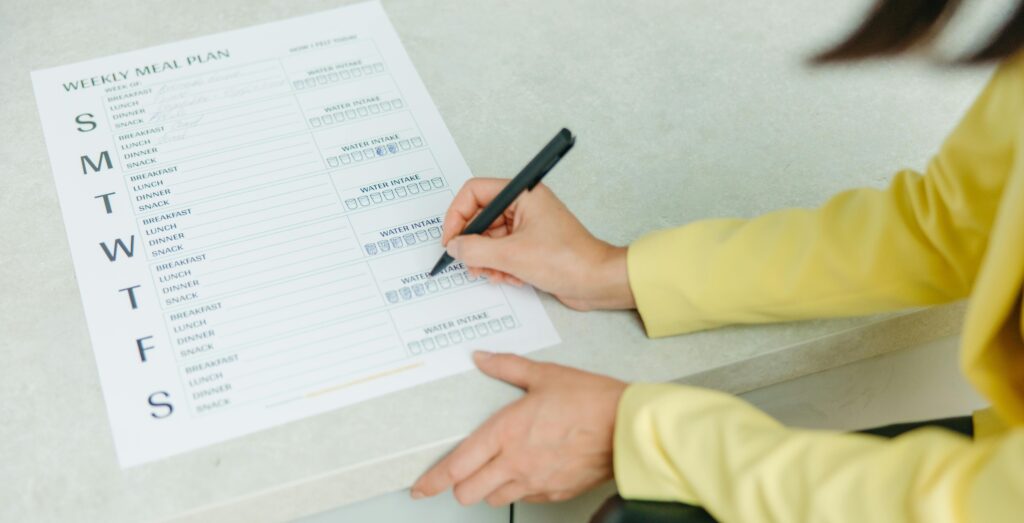
- Take some time each week to plan your meals and snacks, which can be done on your own or with your living companion (e.g., roommate, spouse, parent)
- Include a variety of high-volume, low-calorie foods to ensure that you have plenty of options to choose from
- Once you have planned your meals, you can shop either in-person or online to ensure that your kitchen is properly stocked with the necessary ingredients
- Experiment with different recipes:
- Try new recipes that feature high-volume, low-calorie ingredients such as a hearty vegetable soup, a light and refreshing cucumber salad, or a stir fry with lean protein and lots of veggies
- Try new recipes that feature high-volume, low-calorie ingredients such as a hearty vegetable soup, a light and refreshing cucumber salad, or a stir fry with lean protein and lots of veggies
- Choose a variety of snacks:
- Opt for snacks that are high in volume but low in calories. Include a source of carbohydrate as well as protein for optimal satiety. Some ideas: air-popped popcorn with a sprinkle of nutritional yeast and salted almonds, raw veggies (e.g., celery, baby carrots, snap peas) or a few whole grain crackers with hummus, or a single-serving of low-fat Greek yogurt topped with berries
- Opt for snacks that are high in volume but low in calories. Include a source of carbohydrate as well as protein for optimal satiety. Some ideas: air-popped popcorn with a sprinkle of nutritional yeast and salted almonds, raw veggies (e.g., celery, baby carrots, snap peas) or a few whole grain crackers with hummus, or a single-serving of low-fat Greek yogurt topped with berries
- Focus on hydration:
- Staying well-hydrated by focusing on drinking water throughout the day can help keep you hydrated and support your high-volume eating plan
- Note: if you struggle with feeling full too quickly eating high-volume meals, it may be best to separate your water and food intake so that you can avoid feelings of discomfort
- Be mindful when cooking:
- Opt for cooking methods that reduce calories, such as steaming, baking, grilling, or roasting
- Do your best to limit frying or using excessive amounts of oil or butter as this can increase the overall calorie amount, even when opting for high-volume, low-calorie foods (e.g., fried chicken breast)
- Optimize protein at each meal:
- Protein is an incredibly crucial component of high-volume meals because it has remarkable effects on your overall satiation. It can also support our good bone density, lean body mass, hormone balance, and blood sugar control, among others
Combine your high-volume, low-calorie foods with lean protein sources whenever possible for a balanced and fulfilling meal.
The Psychological Benefits of High-Volume Eating:
One often overlooked aspect of high-volume eating is its impact on your relationship with food. If you are anything like me, many of us grew up in households who participated in the “Clean Plate Club”, which taught us that we must finish in its entirety whatever is in front of us. When transitioning out of this mindset, high-volume, low-calorie eating can be an incredibly helpful tool. High-volume eating can help us balance our hunger and satiety cues, which is also in line with an intuitive eating approach.
Additionally, when you are able to enjoy large, satisfying meals, you tend to be less likely to feel restricted or deprived. This can help reduce the risk of binge eating or overeating, which are common challenges for many people trying to lose weight.
High-volume, low-calorie eating also shifts the focus from what you should “avoid” in your dietary patterns to what you should “add”. Instead of fixating on “cutting calories” or avoiding certain foods, you can focus on adding more nutrient-dense options to your plate. This positive approach can make the process of weight loss feel more realistic and sustainable.
Combining High-Volume Eating with Mindfulness:
While high-volume eating is an effective strategy, it is important to combine it with mindful eating practices for the best results. Mindful eating involves paying attention to your body’s hunger and fullness cues, savoring your food, and eating without distractions. Here are some tips for practicing mindful eating:
- Eat slowly:
- Take your time to chew your food thoroughly and enjoy the flavors
- Going slowly allows time for your body to send signals to your brain that you are satiated
- Limit distractions:
- Do your best to eat without distractions, such as watching TV or scrolling on your phone
- Place yourself in a calm and enjoyable environment which may involve being surrounded by a loved one(s)
- This allows you to focus on your meal and be more aware of your hunger and fullness cues
- Listen to your body:
- Pay attention to how you feel before, during, and after eating
- Tuning in to your body’s signals helps us to be in harmony with our hunger and fullness cues
Working with a Dietitian at No Diet Dietitian:
High-volume, low-calorie eating is one of many helpful tools for weight loss, but it is important to approach your journey with a guided strategy. Working with a registered dietitian at No Diet Dietitian can provide you with personalized guidance and support to help you navigate mindset changes and develop a sustainable approach to nutrition. One of our wonderful dietitians can help you create a balanced approach to weight loss, address any challenges or barriers, help create realistic and sustainable interventions, and will always celebrate your progress along the way. We are not only your coach, but also your teammate.
Summary:
High-volume, low-calorie eating is a powerful approach to weight loss that allows you to enjoy satisfying meals while achieving your goals. By incorporating nutrient-dense, low-calorie foods into your diet, you can create meals that are both fulfilling and delicious. This strategy not only supports weight loss but also promotes a positive relationship with food and overall well-being, which will always be our priority here at No Diet Dietitian.
Always remember, successful weight loss is about more than just the number on the scale. It is about finding an approach that works for you: one that feels sustainable and supports your physical and mental health. By embracing high-volume eating, practicing mindfulness, and seeking support from one of our dietitians, you can start your journey for long-term success today!
Written by our Registered Dietitian and board certified specialist, Aislinn Bragaia, MS, RD, LDN.


+ show Comments
- Hide Comments
add a comment