




As a registered dietitian, I often work with individuals navigating the complexities of thyroid disorders. The thyroid, a small gland located at the base of your neck, plays a critical role in regulating metabolism through hormone production. Metabolism is the process of turning food into energy and can be measured by how much energy the body uses over time. At rest, this is known as the Basal Metabolic Rate (BMR). BMR determines how many calories your body burns to maintain essential functions like breathing, circulation, and cell production. When the BMR is high, more calories are burned, which can lead to weight loss. Conversely, when the BMR is low, fewer calories are burned, often leading to weight gain.
Thyroid hormones directly influence BMR by controlling how quickly cells convert nutrients into energy. Disruptions in thyroid function can significantly affect metabolism and body weight. Understanding the differences between hypothyroidism and hyperthyroidism can help tailor a nutrition and lifestyle approach to support your goals.

What is Hypothyroidism?
Hypothyroidism occurs when the thyroid gland does not produce enough thyroid hormones (T3 and T4). This slows down the body’s metabolism, making it challenging to lose weight and often resulting in weight gain. Common symptoms include:
- Fatigue
- Weight gain
- Cold Intolerance
- Joint and muscle pain
- Dry skin or dry, thinning hair
- Heavy or irregular menstrual periods or fertility problems
- Slowed heart rate
- Depression

How Hypothyroidism Affects Weight Loss
- Slowed Metabolism: Reduced hormone production means fewer calories are burned at rest. The body may hold onto excess calories as fat, making it harder to lose weight.
- Fluid Retention: Hypothyroidism can lead to water retention, contributing to a feeling of puffiness and additional weight gain. This is often due to an imbalance in kidney function and fluid regulation.
- Low Energy Levels: Fatigue caused by low thyroid hormone levels can decrease physical activity and exercise tolerance, limiting calorie burn and muscle building.
- Changes in Appetite: Some people with hypothyroidism experience reduced appetite, while others may turn to comfort foods for energy, leading to increased caloric intake.
- Insulin Resistance: Hypothyroidism may contribute to insulin resistance, making it more difficult for the body to regulate blood sugar levels and manage weight.
Nutrition Tips for Managing Hypothyroidism
- Focus on Iodine and Selenium: These nutrients are essential for thyroid hormone production. Include foods like iodized salt, eggs, fish, and Brazil nuts.
- Ensure Adequate Zinc and Iron: Zinc and iron play crucial roles in thyroid hormone synthesis and overall thyroid function. Include foods like lean meats, legumes, pumpkin seeds, fortified cereals, and spinach.
- Supportive Fiber Intake: A diet rich in vegetables, fruits, and whole grains can support digestion and prevent constipation.
- Balance Blood Sugar: Stable blood sugar levels can prevent energy crashes and reduce cravings. Incorporate protein, healthy fats, and complex carbohydrates in meals.
- Monitor Calorie Intake: While it may be more challenging to lose weight, mindful calorie consumption and portion control are beneficial.

What is Hyperthyroidism?
Hyperthyroidism, on the other hand, occurs when the thyroid produces excessive hormones, speeding up metabolism. This can result in unintentional weight loss and other symptoms such as:
- Weight loss despite an increased appetite
- Rapid or irregular heartbeat
- Nervousness, irritability, trouble sleeping, fatigue
- Shaky hands, muscle weakness
- Sweating or trouble tolerating heat
- Frequent bowel movements
- An enlargement in the neck, called a goiter
How Hyperthyroidism Affects Weight Loss
- Increased Calorie Burn: With a heightened metabolism, the body burns calories at a faster rate, leading to weight loss even with a normal or increased appetite.
- Muscle Loss: Rapid weight loss may include muscle mass, which can negatively impact overall strength and health. The body may break down muscle tissue to meet its energy demands.
- Nutrient Deficiencies: Excessive hormone production can affect nutrient absorption and utilization, leading to deficiencies in key vitamins and minerals like calcium and vitamin D.
- Increased Hunger: Many individuals experience an increased appetite as the body tries to compensate for the accelerated metabolism, sometimes leading to difficulty maintaining a stable weight.
- Bone Loss: Hyperthyroidism can accelerate bone turnover, increasing the risk of osteoporosis, particularly if nutrient intake is inadequate.
Nutrition Tips for Managing Hyperthyroidism
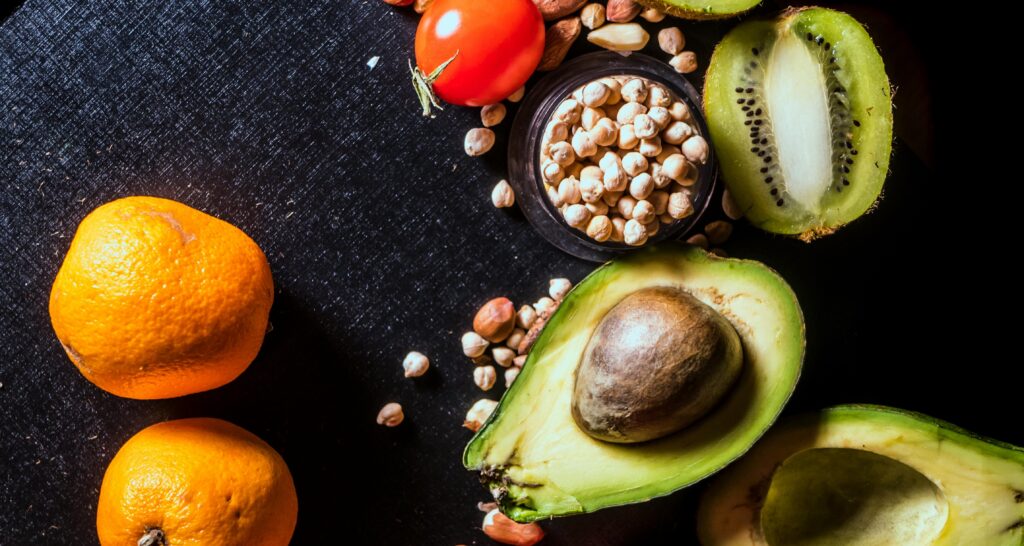
- Increase Calorie Intake: Nutrient-dense foods such as nuts, seeds, avocados, and lean proteins can help prevent excessive weight loss.
- Support Bone Health: Hyperthyroidism can weaken bones. Ensure adequate calcium and vitamin D intake through dairy, leafy greens, and fortified foods.
- Stay Hydrated: Excess sweating is common, so maintaining hydration is essential.
- Moderate Iodine Consumption: Too much iodine can worsen hyperthyroidism. Work with a healthcare provider to monitor intake.
Common Causes of Thyroid Imbalances
Hypothyroidism (Underactive Thyroid), common causes include:
Hashimoto’s thyroiditis – The most common cause in developed countries. This autoimmune condition damages thyroid tissue over time.
Iodine deficiency – Still a major global cause. Iodine is essential for thyroid hormone production.
Thyroid surgery or radioactive iodine therapy – Permanent loss of thyroid function due to treatment for nodules or cancer.
Medications – Certain drugs (e.g., lithium, amiodarone) can interfere with hormone production.
Postpartum thyroiditis – Temporary dysfunction after childbirth, often followed by recovery.
Chronic stress or nutrient deficiencies – Low selenium, zinc, or iron can impair thyroid hormone conversion (T4 to T3).

Hyperthyroidism (Overactive Thyroid), common causes include:
Graves’ disease – An autoimmune condition that overstimulates the thyroid.
Toxic multinodular goiter – Multiple hormone-producing nodules that function independently.
Thyroiditis – Inflammation (often viral or autoimmune) that temporarily increases hormone levels.
Excess iodine – High intake from supplements or contrast dyes can trigger overproduction.
Overmedication – Too much thyroid hormone replacement can mimic hyperthyroidism.
Conclusion
Both hypothyroidism and hyperthyroidism can significantly affect body weight, but with a tailored approach, effective management is possible. Consulting with a healthcare team, including an endocrinologist and a registered dietitian, is key to developing a personalized nutrition plan. Addressing nutrient needs, managing symptoms, and supporting overall well-being can make a substantial difference in achieving and maintaining a healthy weight.
Written by our Registered Dietitian and board certified specialist, Hayley Perkins, RDN, CDCES
Sources:
- National Institute of Diabetes and Digestive and Kidney Diseases (NIDDK)
https://www.niddk.nih.gov/health-information/endocrine-diseases/hypothyroidism - American Thyroid Association (ATA)
https://www.thyroid.org/thyroid-and-weight/#:~:text=Since%20patients%20with%20hypothyroidism%20may,less%20dramatic%20than%20in%20hyperthyroidism - Academy of Nutrition and Dietetics
https://www.eatright.org/health/health-conditions/endocrine-disorders/thyroid-health-101 - National Endocrine Specialists
https://www.nesaz.com/nutrient-deficiencies-and-thyroid-disease


+ show Comments
- Hide Comments
add a comment