

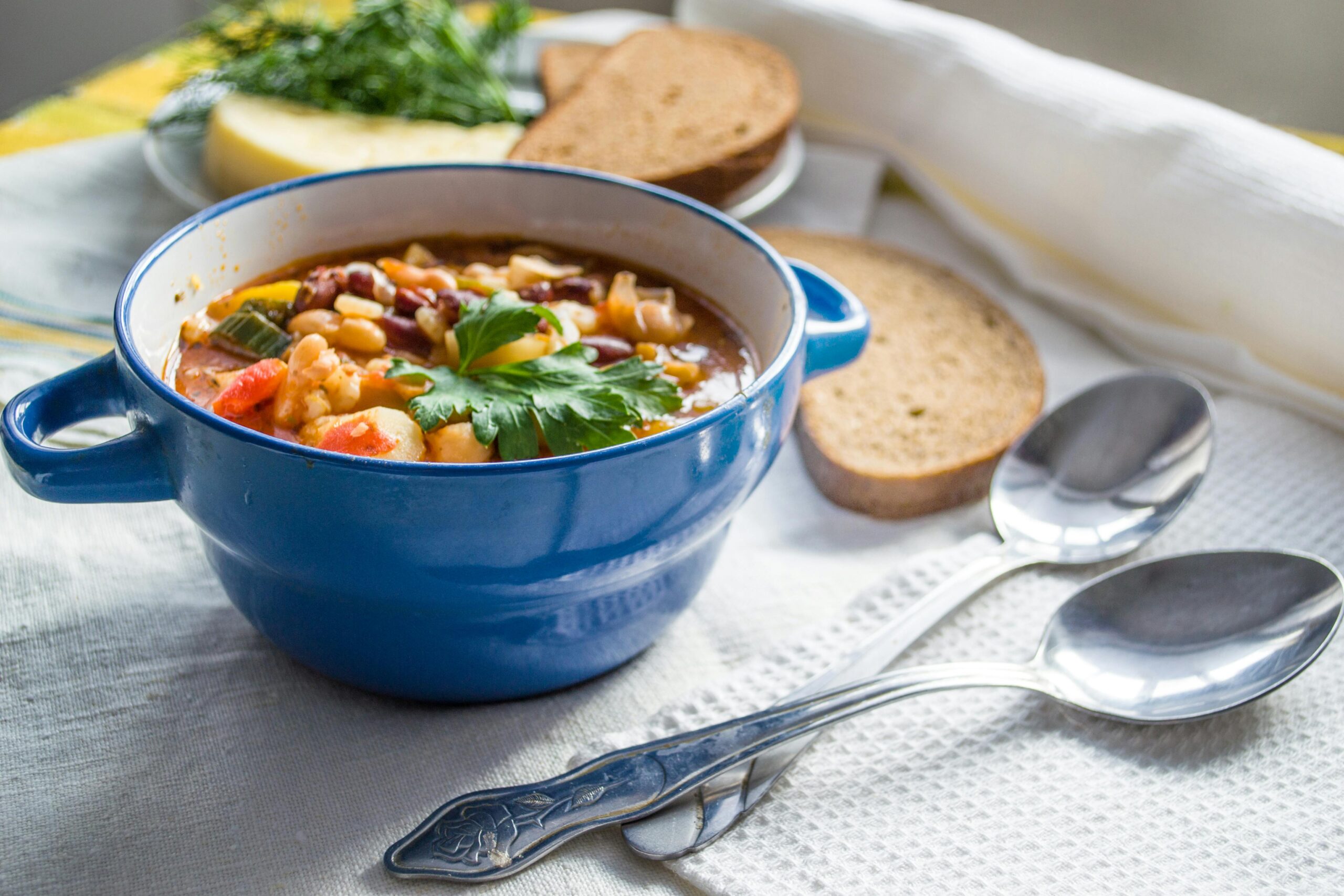

Crohn’s disease is a chronic inflammatory condition of the digestive tract that can cause symptoms such as abdominal pain, diarrhea, fatigue, malnutrition, and weight loss. While there is no one-size-fits-all diet for Crohn’s, incorporating anti-inflammatory and gut-friendly foods into your diet can help manage symptoms, despite the challenges inherent in managing this tricky diagnosis. Eating during a flare will look different than your typical day in remission due to increased irritation to the digestive tract, but there are still plenty of accessible foods that can you can incorporate to ensure you are meeting your macro and micronutrient needs. Working individually with a registered dietitian will be the best way to ensure you are eating in a way to support your symptoms and optimize your health goals. Here are some of the best foods to eat to fight inflammation and ease symptoms while experiencing a flare.
1. Low-Fiber Fruits
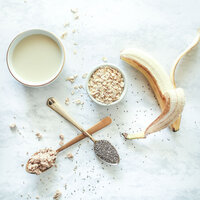
While fiber is usually one of the nutrients dietitians are always promoting, high fiber fruits may trigger irritation during a Crohn’s flare up. When perusing the produce section, opt for lower-fiber fruits like bananas, cantaloupe, honeydew, grapes, and watermelon. Some fruits may be better tolerated in other forms such as peeled (apples, peaches, pears), or blended (mango or berries). Low sugar applesauce can also be a great gentle choice.
2. Soft Cooked Vegetables
During a Crohn’s disease flare, raw vegetables can be tough on the digestive system, but this doesn’t mean vegetables are off limits and should still be included in your diet on a regular basis. Eating a variety of colorful fruits and vegetables ensures you are receiving the benefit of their anti-inflammatory properties. You may instead want to aim for ways to incorporate them by including lower fiber and gentler options such as canned green beans, steamed peeled carrots, mashed potatoes or sweet potatoes. Adding vegetables into soups or stews is another great way to ensure they will reach a soft texture and have plenty of moisture which will help alleviate any potential discomfort. Zucchini, summer squash, and leeks are some great options. Leafy greens don’t have to be avoided but cooking them well and chopping finely or adding into a smoothie will be gentler on your system.
3. Lean Proteins
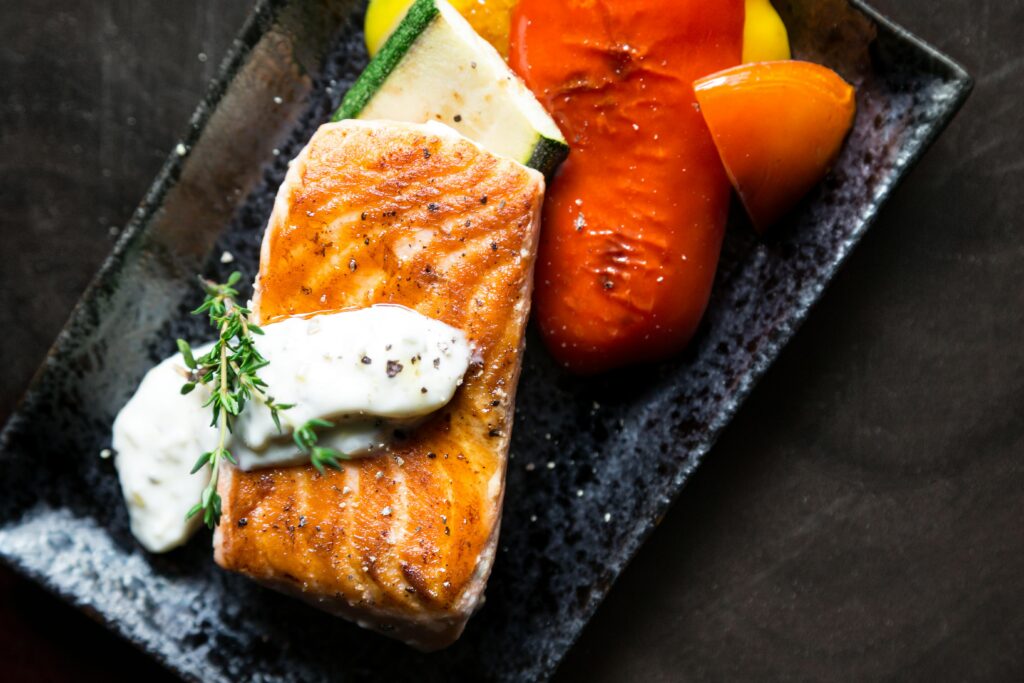
Protein is essential for repairing the body, but red meats and highly processed meats may not sit well with your digestion during a flare. Lean options such as skinless poultry, eggs, ground turkey/chicken, tofu, and fish like salmon and cod will be more easily tolerated choices. Temporary lactose intolerance is very common in Crohn’s disease but adding in an alternative dairy like Greek yogurt, cottage cheese, and soy milk can be another great avenue to consume protein, and they work particularly well in smoothies for those times when consuming solid foods feels more challenging. These proteins are more easily digestible than steaks, burgers, and cured meats like pepperoni. Eating adequate protein is incredibly vital to avoid losing excessive lean body mass during a flare.
4. Healthy Fats
Omega-3 fatty acids are an important nutrient to reduce inflammation. They provide a necessary fat source and provide vital calories with minimal irritation. These can be found in fish like salmon, tuna, and mackerel. Additional gentle sources of healthy anti-inflammatory fats include olive oil, avocado oil, avocados, and nut butters and these should all be consumed regularly to boost overall caloric intake.
5. Gentle Grains
Currently there is insufficient evidence to support removing wheat or gluten from the diet for Crohn’s disease, so it is not recommended to limit these unless following specific guidance from your doctor or registered dietitian. Including rice, pasta, potatoes, and lower fiber bread options such as sourdough ensures adequate energy intake and are a great source of B vitamins.
6. Herbs & Spices
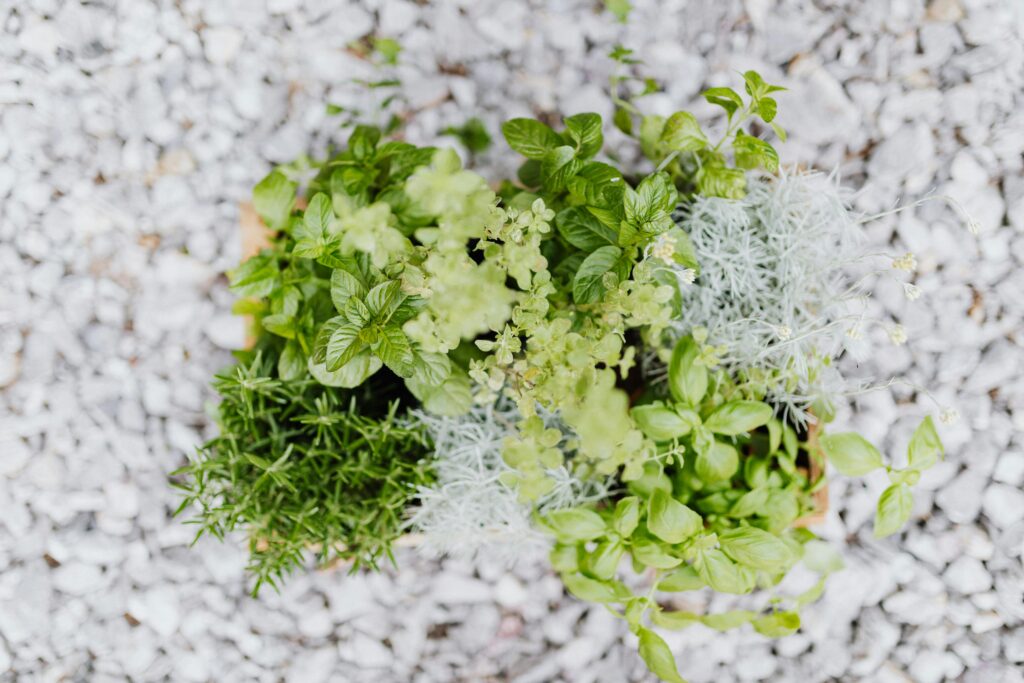
We don’t often think of herbs and spices as a food group but these can also be vital components of an anti-inflammatory diet that may be helpful in easing symptoms. These should only be taken in supplemental form if recommended by your doctor or dietitian, but sprinkling cinnamon in your coffee, turmeric on your vegetables, fresh herbs (parsley, oregano, basil) to your salad, or adding some ginger into your tea, soup, or broth can all be calming to your gut and fight inflammation. Spices to consider limiting at this time to avoid irritation would be spicy peppers, garlic, and onions particularly if consumed raw.
7. Probiotic-Rich Foods (if tolerated)
While the research on probiotic supplementation and treating Crohn’s disease is still in progress, most probiotic-rich food sources, if tolerated, can be great foods to add to your regular rotation to help support gut health. These can include yogurt, kefir, miso (add to bone broth or soup for a yummy umami flavor), raw fermented sauerkraut, kimchi (aim for a milder version versus an overly spicy option), and kombucha.

8. Hydrating Beverages
Staying hydrated is crucial, especially during a flare-up to replace the losses from diarrhea. Water, herbal teas (caffeine free), coconut water, bone broth, and electrolyte-rich drinks either homemade or powder mixes can help replenish these losses and maintain hydration. If eating enough solid foods feels challenging, beverages are another way to boost caloric intake. Bone broth, protein shakes, and soy milk are all protein-boosting beverages. Smoothies are another great hydration option that can be a way to incorporate fruits and vegetables in an easily digestible form.
Final Thoughts
Crohn’s disease is an impactful disease that affects everyone differently in terms of what foods may feel best for them to eat. While the above can provide some good guidance on what to include to best support a varied diet while fighting inflammation, working with a dietitian can further help tailor a plan that maximizes nutrition while minimizing inflammation and discomfort.
Written by our Registered Dietitian and board certified specialist, Sara Pranoto.
Sources:
Crohn’s and Colitis Foundation
Levine A, Rhodes JM, Lindsay JO, et al. Dietary Guidance From the International Organization for the Study of Inflammatory Bowel Diseases. Clin Gastroenterol Hepatol. 2020;18(6):1381-1392. doi:10.1016/j.cgh.2020.01.046


+ show Comments
- Hide Comments
add a comment