




Here at No Diet Dietitian, our full-time job is to work with people to make significant changes in their lives – whether it is preventing diabetes, eating for heart health, losing weight, or making peace with food. We are not just experts in food, we are experts in supporting behavior change. The concept of “New, Better, More” is tossed around in the world of entrepreneurship and those interested in self improvement, but it can also be applied as a guiding concept in improving health and wellness.
We all could probably write a novel about all the changes we’d like to make. We’d love to lose weight, tone up, drink more water, eat more protein, save more money, redo our kitchen, be a better parent, spend more time with our spouse/partner…and the list goes on and on.
And with the many changes we’d like to make, we want those changes to have taken effect yesterday. So what happens when we get frustrated that we’re not meeting our goals? We start looking for the new. What’s that new thing that’s going to solve all my problems? What’s that new diet? That new supplement? That new workout routine?
It’s so tempting to go for the new and drop everything else we were doing to chase after that shiny new thing. But unfortunately, it feels inevitable that the new thing will become just like all the previous new things. It may (or may not) work for a while, but soon we find ourselves back where we started–frustrated, out of answers and still with a novel’s worth of changes we’d like to make.
But what if instead of focusing on the new, we considered what was working for us and did it more and perhaps, better?
Embracing the “More” Principle
Consistency Over Novelty
As we talked about, there’s a tendency to chase after the latest trend—whether it’s a diet, exercise, or product. However, consistency is often the key to success. Doubling down on what already works for you allows you to build a solid foundation.
For instance, what if we focused on eating breakfast? (We’re BIG advocates for breakfast around here at No Diet Dietitian. Hello, blood sugar stabilization and metabolism boost!) Eating a breakfast that includes 30 g of protein and a source of fiber will help keep us fuller for longer and curb cravings. So if we focused on eating breakfast more often and made a commitment to it long-term this would likely produce better outcomes than constantly switching things up.
Identifying What Works
It’s crucial to reflect on your current practices. What specific actions or habits have led to positive results in the past? Make a list of these and focus on amplifying them. This could involve increasing the duration of your physical activity or incorporating more nutrient-dense foods into your meals.
Focusing on “Better”
Small Tweaks
Instead of overhauling everything for that new shiny thing, look for small adjustments you can make. Maybe it’s as simple as preparing healthier snacks or refining your meal prep process. For example, if you’re used to packing a salad for lunch, consider adding a protein source or switching the dressing to something lighter or with heart-supportive extra virgin olive oil.
Or if we want to use our breakfast example again, maybe instead of grabbing a bagel and cream cheese, we have 1 cup of protein-rich cottage cheese and a handful of berries. Or try adding some collagen in your coffee and have a piece of whole wheat toast with avocado.
Mindful Eating
Better doesn’t always mean more complicated. It could involve being more present during meals. Pay attention to hunger and satiety cues, chewing slowly, and savoring each bite. This can lead to improved digestion and satisfaction with our meals.

Introducing the “New” Strategically
We don’t want to say that adding in something new is always bad, but do it mindfully and strategically.
Intentional Experimentation
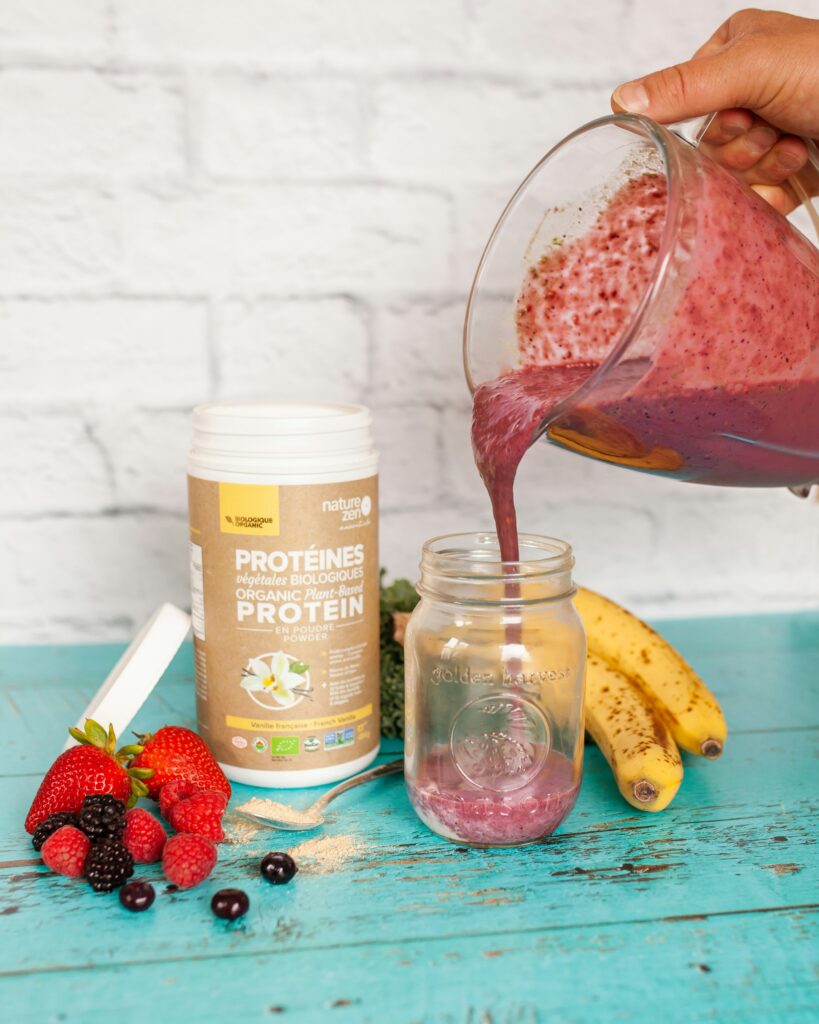
While focusing on what works, you can still explore new ideas—just be selective and realistic. Try incorporating one new recipe or exercise each week. Try talking a longer walk or adding weights at the end. Add chia seeds to your morning smoothie for a healthy fat and added protein and fiber. These are just a few examples as to how we can change things up and try new things, but ensure it’s realistic and sustainable for the long term. This way, you’re not overwhelmed with a bunch of new changes, and you can assess whether they genuinely enhance your routine.
Learning Mindset
Adopt a mindset of learning rather than quick-fix solutions. When trying something new, view it as an experiment. Something you give a fair shot to see if it fits well into your existing framework. If it does, keep it; if not, don’t hesitate to let it go and continue with what was working.
Whatever your goals may be, always chasing after the shiny new thing is exhausting, frustrating and defeating. But if we’re able to take a step back and truly look at what’s working and then build better habits around those things, we will have a stronger footing in moving toward our goals.
If you need help reaching your health and wellness goals, maybe you need another set of eyes to help you hone in on what to do more and better, and we would love to work with you! Our team of dietitians have years of experience working alongside individuals to help them crush their goals and create a life of freedom and fulfillment.
Written by our Registered Dietitian and board certified specialist, Megan Rose.


+ show Comments
- Hide Comments
add a comment