

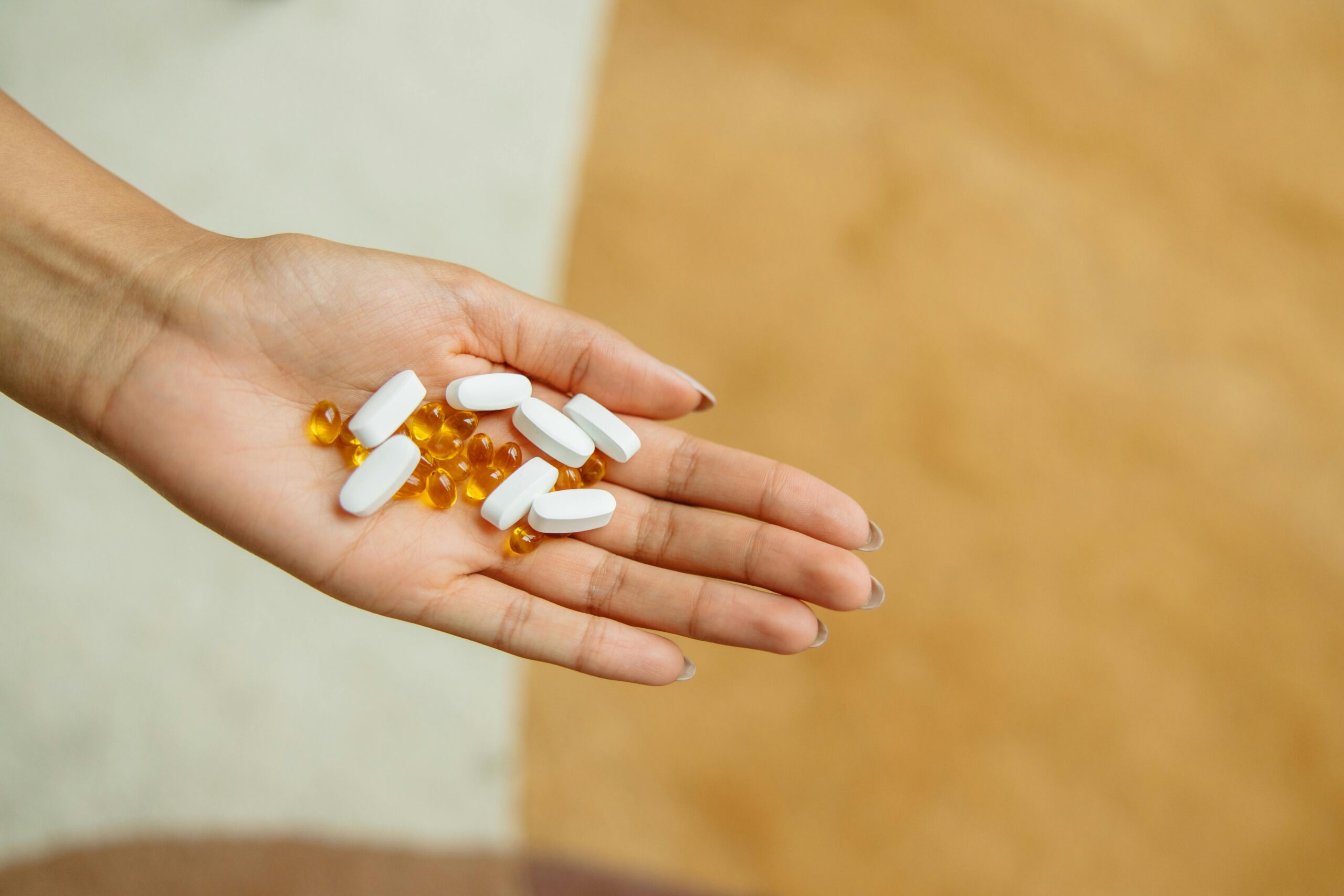


Berberine has gained a lot of traction recently as influencers on Instagram, Tik Tok and other social media platforms have dubbed this supplement to be a weight loss solution and “nature’s Ozempic”, but are these claims supported by scientific research?
What is berberine?
Berberine is a bitter, yellow substance found in a variety of plants, including goldenseal, barberry, Oregon grape, and others. Plants containing berberine have a long history of use in both Ayurvedic and Chinese medicine. In modern times, plants containing berberine have been used for infections, skin diseases, digestive disorders, and other conditions. Berberine is currently being studied for its effects on diabetes and risk factors for heart disease.
Potential benefits of berberine
Berberine may help to improve insulin resistance
If you have insulin resistance, your cells don’t have enough glucose, which makes you feel hungrier and can lead to overeating. As you continue eating to satisfy your hunger, your body stores excess blood glucose as fat, which in turn can lead to weight gain. Berberine has been shown to improve how cells respond to insulin (increasing insulin sensitivity), thus promoting better movement of glucose into cells (increasing glucose uptake). In addition, it increases the amount of insulin your body produces and decreases cell resistance, resulting in lower blood sugar. Given the impact on insulin production, increasing insulin sensitivity of cells, and better glucose uptake, berberine supplementation may benefit those with insulin resistance such as in PCOS (Polycystic Ovarian Syndrome), pre-diabetes and type 2 diabetes. Berberine has also been shown to have similar effects to metformin, however it should not be considered as an alternative without speaking to your provider first, and should never replace diabetes medications.
Berberine may help to promote weight loss
Early research has suggested that berberine may help to reduce body fat, however more research is needed. In one small clinical trial that looked at treating nonalcoholic fatty liver disease, participants who took berberine every day for three months experienced significant weight loss. Berberine activates an enzyme called AMP-activated protein kinase (AMPK). AMPK exists in every cell and its primary job is to regulate metabolism, helping control how your body breaks down and uses energy. AMPK can also influence body fat composition and plays a critical role in regulating your appetite.
Berberine may help to reduce risk for heart disease
Several studies have shown that berberine can improve lipid metabolism and decrease LDL cholesterol (non-beneficial cholesterol) and triglycerides while increasing HDL cholesterol (beneficial cholesterol).
Berberine may help to improve gut health
Some evidence has demonstrated that berberine may alter the gut microbiota favorably to help reduce inflammation, but more research is needed.
Things to consider before taking berberine
Like other supplements on the market, berberine is not regulated. This means that the FDA does not review or regulate supplements for their safety or effectiveness. When choosing a supplement, of any kind, it’s important to choose high quality products with no added fillers that are third party tested for purity.
There are side effects and some potential risks associated with berberine supplementation. Side effects can include upset stomach, nausea, diarrhea, headache, and rash. Berberine can interact with many medications, including metformin, however it significantly interacts with cyclosporine (an immunosuppressive agent used to treat organ rejection post-transplant).
Contraindications: Children, pregnant women and those breastfeeding. It’s likely unsafe to take berberine by mouth if you are pregnant. Berberine can cross the placenta as well as be transferred through breast milk and might cause harm to the fetus or infant. Kernicterus, a type of brain damage, has developed in newborn infants exposed to berberine. There isn’t enough reliable information to know if berberine is safe in older children.
Final thoughts
For those living with insulin resistance, berberine supplementation may be beneficial to help better mange glucose levels and, for some, may promote weight loss. As with any supplement it is of utmost importance to choose high quality products that are third party tested for purity since supplements are not regulated by the FDA. Always discuss with your doctor first before choosing to take a supplement.
Written by our Registered Dietitian and board certified specialist, Hayley Perkins
Sources:
- https://www.nccih.nih.gov/health/berberine-and-weight-loss-what-you-need-to-know
- https://health.clevelandclinic.org/berberine-for-insulin-resistance-weight-loss
- https://pubmed.ncbi.nlm.nih.gov/36941490/#:~:text=Berberine%20also%20increases%20high%2Ddensity,berberine%20appears%20to%20be%20safe.
- https://www.ncbi.nlm.nih.gov/pmc/articles/PMC9204213/#:~:text=Most%20recently%2C%20many%20lines%20of,et%20al.%2C%202020).
- https://www.medicalnewstoday.com/articles/325798#side-effects
- https://medlineplus.gov/druginfo/natural/1126.html


+ show Comments
- Hide Comments
add a comment