


As a mom and dietitian working toward my IBCLC (International Board Certified Lactation Consultant) certification, I’ve both felt and seen the pressure to “bounce back” and “lose the baby weight” after birth. Those subtle (and not-so-subtle) expectations come at us from all angles when we’re most vulnerable.
Your postpartum body deserves better than this rush to erase the evidence of your journey. And while health absolutely matters during this time, it looks nothing like what diet culture suggests.
The Journey After Birth
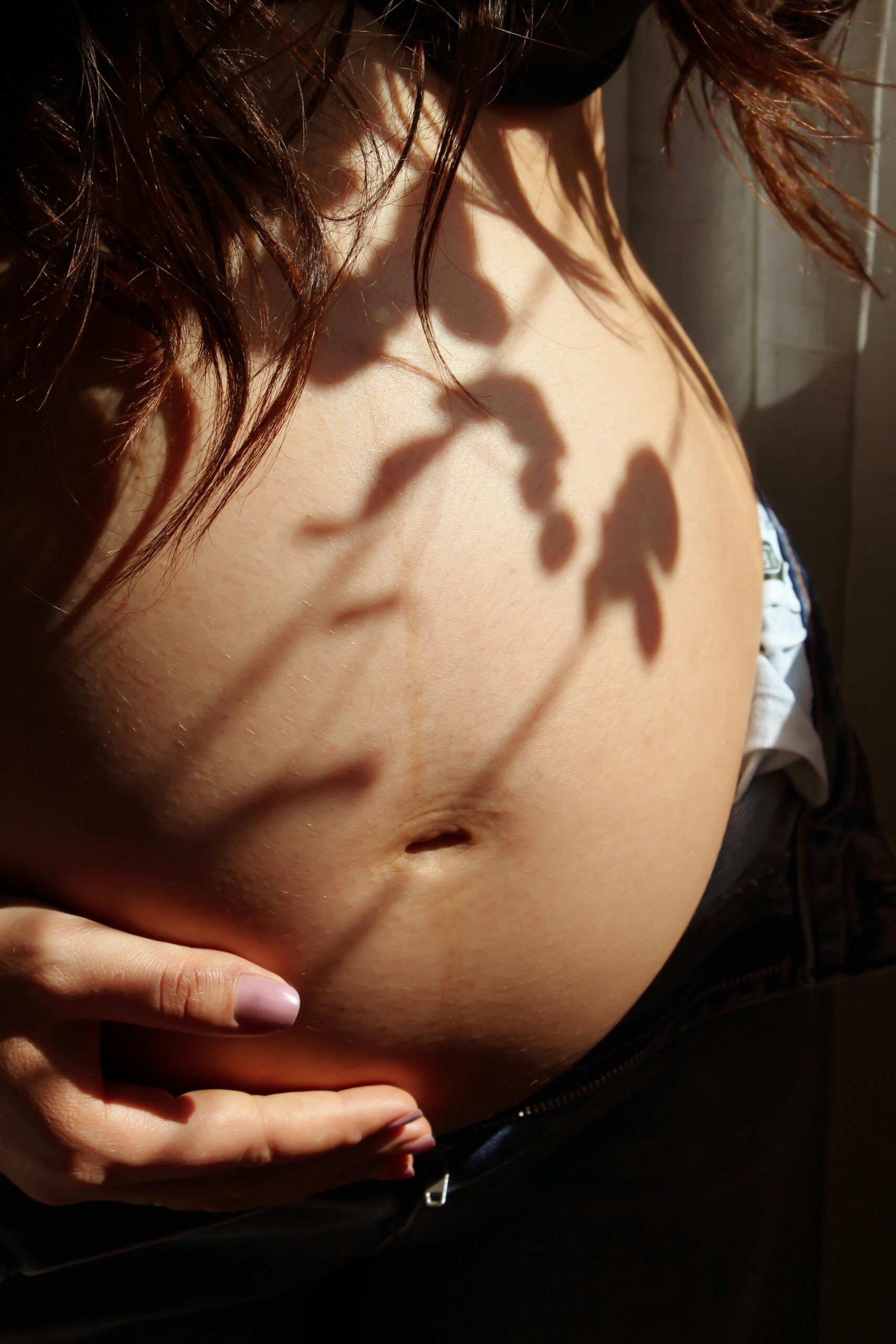
Pregnancy transforms your body in profound ways that aren’t just skin-deep. Your organs rearrange themselves, your blood volume increases dramatically, and ligaments throughout your body loosen. After your baby arrives, these changes don’t magically reverse overnight.
I remember being shocked by how different I felt in my body those first months after giving birth. Even as the initial recovery progressed, I realized my body was still navigating enormous transitions: dramatic hormone shifts, healing tissues, milk production, and functioning on fragmented sleep while caring for a newborn.
This recovery isn’t a sprint. While we often hear about the standard six-week checkup as if it marks the “end” of postpartum, the reality is vastly different. As both a mom and practitioner, I firmly believe in what research now supports – the true postpartum period extends up to two full years. During this extended time, your body continues healing and adjusting in countless ways. Your pelvic floor, abdominal muscles, hormone systems, and even your brain structure are all changing to support you in this new chapter of life. I’ve seen in my practice how acknowledging this two-year window gives women permission to heal at their own pace instead of racing toward an artificial finish line.

Why We Feel Pressure to “Bounce Back”
If you’ve felt that urgent need to return to your pre-pregnancy body, you’re not alone—and it’s not your fault. That pressure has been carefully cultivated.
We see celebrities on magazine covers looking impossibly polished weeks after birth, without transparency about their resources (personal chefs, trainers, nannies) or the potentially extreme measures they’ve taken. Social media feeds us carefully filtered images and celebrates dramatic “transformations” rather than gradual healing.
For decades, diet culture has conditioned us to believe our bodies should remain unchanged by major life events, that controlling our size equals controlling our health and worth. Many of us grew up hearing stories about mothers or grandmothers who “got their figure back” instantly, without acknowledging different circumstances or the hidden costs of that pressure.
I understand why these messages stick with us. After pregnancy’s significant changes, wanting to reconnect with your pre-pregnancy identity feels natural. But there are gentler ways to navigate this transition than pursuing rapid weight loss or restrictive eating patterns.
The Hidden Costs of “Bouncing Back”
When we fixate on “getting our body back,” we overlook what our body actually needs during recovery.
Restrictive eating interferes with healing and can slow recovery from birth injuries. If you’re breastfeeding, inadequate nutrition affects milk production and quality. Your body needs those extra calories – approximately 300-500 additional daily – to nourish both you and your baby.
The emotional toll is just as significant. The gap between expectations and reality can intensify feelings of failure during an already vulnerable time. I’ve seen how body dissatisfaction connects directly to increased risk of postpartum depression and anxiety.
There’s also a longer view: how you approach eating during this time shapes not only your wellbeing but potentially your child’s future relationship with food.
A Different Approach to Postpartum Health
What if, instead of focusing on “bouncing back,” we centered our approach around genuinely supporting our health during this transformative time?
Intuitive eating principles apply beautifully to the postpartum period. That intense hunger, especially while breastfeeding? It’s not your body betraying you—it’s communicating legitimate needs for recovery and nourishment. With a newborn, regular meals often get interrupted, so checking in with your body when possible while giving yourself grace when it’s not becomes essential.
I found that foods that truly satisfied me helped me feel nourished and content during those demanding early months. And I’ve seen this same pattern with my postpartum clients – sometimes that means nutrient-dense meals, and sometimes it means the comfort foods that provide emotional sustenance when they’re overwhelmed. Both have their place in a healthy postpartum diet.
The postpartum period brings intense emotions. Having support systems beyond food matters deeply, though I’ll be the first to admit that sometimes a piece of chocolate was exactly what I needed – and that’s perfectly okay.
Most importantly, your body has done something remarkable. The changes you see reflect this incredible journey and deserve respect, not criticism.
Practical Ways to Support Your Body
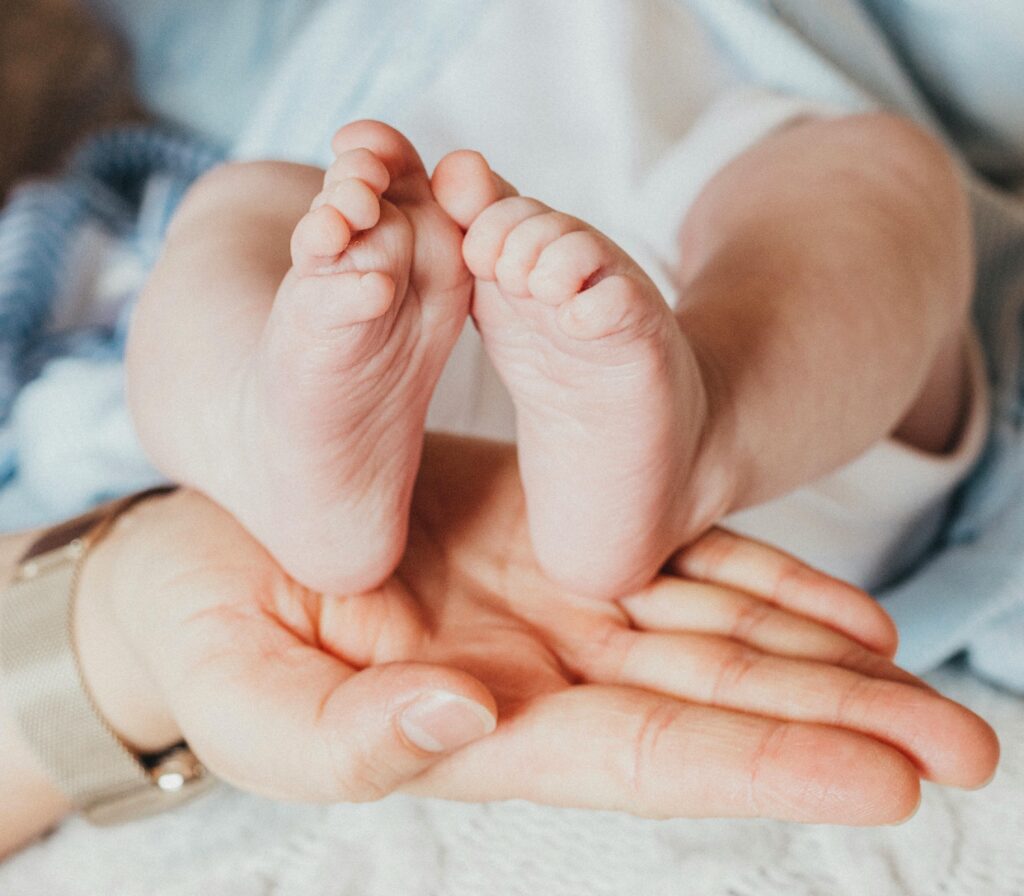
When nourishing yourself during recovery and lactation, focus on adding nutrient-dense foods rather than restricting. Your body needs protein to repair tissues, healthy fats for hormone production, and plenty of hydration. One thing I remind clients: there’s no award for elaborate meals during this time! Simple foods that require minimal preparation are perfect.
Incorporate safe and gentle movement once cleared by your physician. Movement should honor your current body, not punish it. Choose activities that energize rather than deplete you. And remember – holding, rocking, and carrying your baby counts as physical activity too.
Rest isn’t lazy; it’s essential recovery. Both personally and for the new parents I support, prioritizing sleep whenever possible, accepting help, and viewing rest as productive makes a tremendous difference in recovery.
Create a supportive environment by being selective about social media accounts, setting boundaries around body comments, and finding community with parents who share your values.
Measuring Progress Differently
While society measures postpartum “success” in terms of jeans size, I invite you to track progress differently.
- Physical recovery milestones: sleeping for 3-4 hour stretches, decreased pain with daily movements, completing basic tasks without discomfort
- Daily functioning improvements: successfully running an errand with baby, preparing a simple meal, or taking a shower without rushing
- Nutrition shifts: eating regular meals, consuming enough to support recovery (and lactation if breastfeeding), staying adequately hydrated, finding ways to add more color to your plate with a nutrition by addition mindset
- Practical skill development: learning to use baby gear efficiently, developing time-saving routines, finding sustainable ways to manage household tasks
- Relational adjustments: clear communication with partners about needs, setting boundaries with visitors, connecting with supportive parent communities
- Mental health indicators: decreased anxiety about baby care, better emotional regulation, moments of genuine enjoyment amid the challenges
- Sleep improvements: creating sustainable sleep arrangements, learning to function despite sleep disruption, gradually achieving more restorative rest
Each of these represents meaningful progress that honors the full spectrum of your postpartum experience throughout that two-year journey.
Prioritizing health during the postpartum period matters—but true health encompasses physical healing, emotional wellbeing, rest, nourishment, and joyful movement. None of these require pursuing your pre-pregnancy size on an arbitrary timeline. Your body isn’t something to reclaim—it’s been with you all along, carrying you through one of life’s most profound transitions. It deserves your compassion as you move forward together into this new chapter.
If you would like more support in navigating your post-partum years that includes an individualized approach to nutrition, movement and self care, reach out to a No Diet Dietitian today.


+ show Comments
- Hide Comments
add a comment