

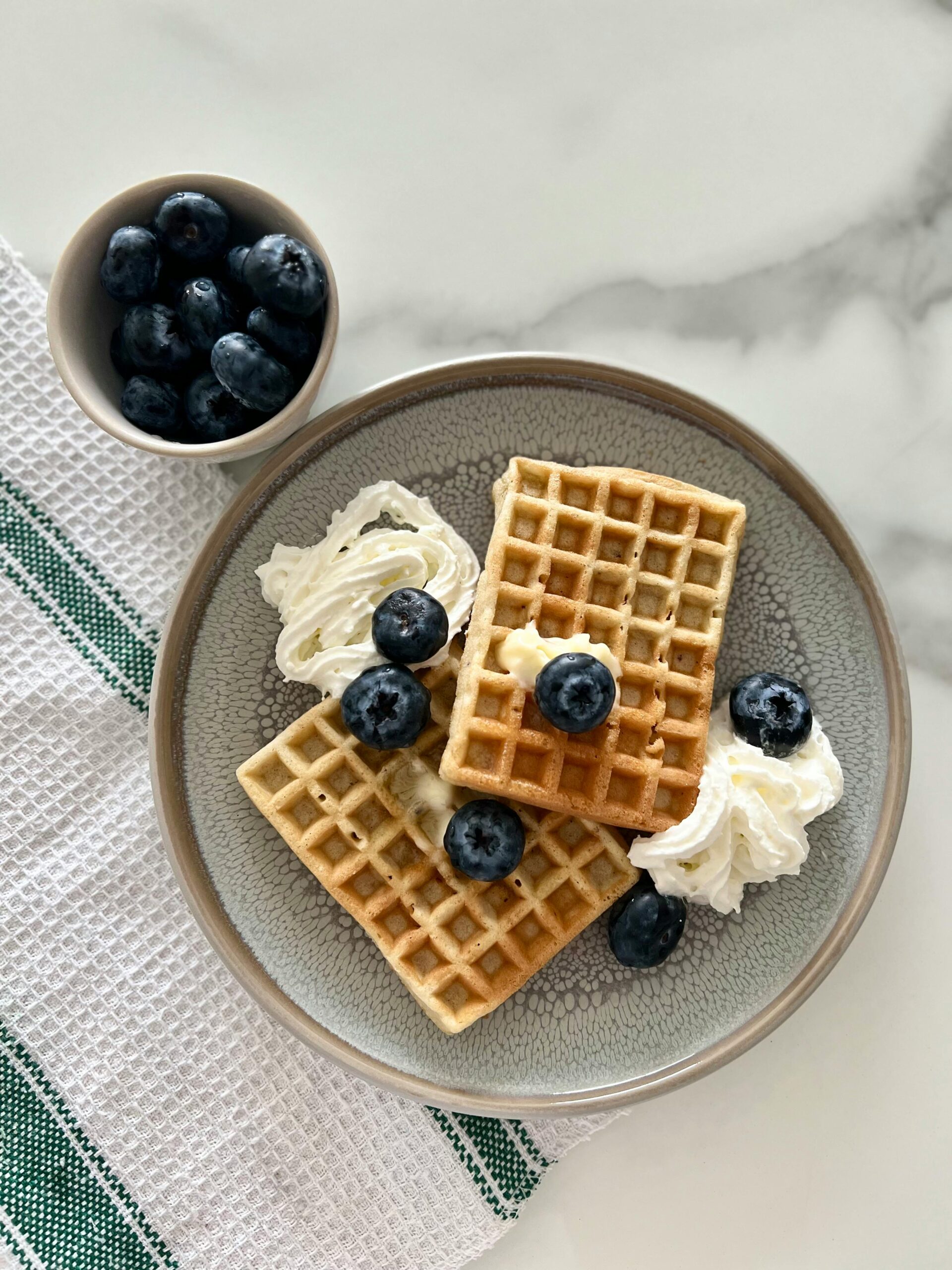


Food is never just food. It’s connection, comfort, energy, and sometimes, a source of stress. For people who are autistic or have ADHD, eating can feel like navigating a minefield of sensory overwhelm, executive dysfunction, and social pressure.
Many mainstream nutrition messages – “eat more vegetables,” “cook from scratch,” or “stick to a schedule” – are well-intentioned but not built with neurodivergent brains in mind. They assume that everyone experiences food in the same way, and that “willpower” or “discipline” is the missing link. But for autistic and ADHD eaters, the challenges run deeper: food might feel overwhelming in texture or smell, the steps to cook might feel impossible to organize, or a rigid plan might crumble when a “safe food” suddenly feels intolerable.
That doesn’t mean nourishing eating is out of reach. It just means we need a new approach – one that respects sensory preferences, supports executive function, and finds balance between chaos and rigidity.
This is where compassion and creativity come in.
Sensory Preferences: More Than “Picky Eating”
One of the biggest myths about autistic and ADHD eaters is that they’re just “picky.” In reality, many are experiencing the world of food through heightened sensory pathways.
The Sensory Experience of Eating
Eating isn’t just about taste. Every bite is a symphony of textures, temperatures, colors, smells, and even sounds. For neurodivergent eaters, this sensory input can feel dialed up to maximum volume.
- Textures: A mushy banana might feel unbearable, while crunchy pretzels feel grounding.
- Smells: The scent of cooked broccoli might be nauseating, even if the nutrition information says it’s “good for you.”
- Visuals: A plate with foods touching or mixing may trigger stress rather than appetite.
- Sounds: The sound of chewing can be as distracting as nails on a chalkboard.
These aren’t quirks – they’re real sensory experiences that shape what feels edible or safe.
Safe vs. Unsafe Foods
Many autistic and ADHD people build a repertoire of “safe foods” – meals and snacks that consistently feel okay. These foods might be beige, bland, predictable, or specific to brand or preparation. For example, one person may only tolerate a particular brand of chicken nuggets, while another may only eat macaroni prepared in a certain way.
This can look limiting to outsiders, but safe foods serve an important role: they reduce anxiety and provide a reliable source of energy. The challenge is expanding options without dismantling that sense of safety.
Practical Strategies for Sensory Support
- Respect safe foods: Instead of eliminating them, build meals around them. If plain pasta is a safe food, try adding protein on the side or pairing it with a tolerated vegetable.
- Experiment with preparation styles: Texture can make or break acceptance. A raw carrot might feel scratchy, while a roasted one feels sweet and soft.
- Create a comfort list: Write down 5-10 “always safe” foods. On high-stress days, this becomes a go-to menu without the pressure of decision-making.
- Offer exposure without pressure: Introduce new foods gently, without insisting on tasting. Sometimes, just having the new food on the table is a step forward.

Executive Dysfunction: When Knowing Isn’t Doing
Another core challenge for autistic and ADHD eaters is executive dysfunction – the brain’s difficulty in managing planning, sequencing, and follow-through.
The Gap Between Intention and Action
Many neurodivergent adults know what they “should” eat. They’ve read the blogs, watched the videos, maybe even written down a meal plan. But knowing and doing are two very different things.
Tasks like:
- Making a grocery list
- Remembering to defrost chicken
- Chopping vegetables in time for dinner
- Cooking multiple components at once
…can feel overwhelming or impossible when executive function is taxed. Add in fatigue, stress, or time pressure, and takeout or snacks often win by default.
ADHD, Hunger, and Forgetting to Eat
ADHD adds another wrinkle: sometimes people forget to eat altogether until they’re so hungry that decision-making crashes. This often leads to “panic eating” – grabbing whatever is closest and most calorie-dense, often without balance or satisfaction.
Practical Strategies for Executive Support
- Simplify meals: Reduce steps wherever possible. A meal can be as simple as microwaveable rice, canned beans, and shredded cheese. Nutrition doesn’t have to mean gourmet.
- Outsource prep: Pre-cut vegetables, rotisserie chicken, frozen meals, or even meal delivery can bridge the gap between intention and execution.
- Create “default meals”: Keep 2-3 go-to meals in rotation that are quick and familiar. For example: tortilla + refried beans + shredded cheese; smoothie with frozen fruit + yogurt; eggs with toast and fruit.
- Use external cues: Alarms, sticky notes, or app reminders can prompt eating before hunger turns urgent.
Batch cook with limits: If prepping in advance feels doable, keep it minimal – like washing grapes into snack bags or cooking a pot of rice to reheat throughout the week.
Flexible Structure: Finding the Middle Ground
Rigid diet plans rarely work long-term, especially for neurodivergent eaters. The unpredictability of sensory tolerance means today’s favorite food might be tomorrow’s “nope.” But total lack of structure often leads to skipped meals, nutrient gaps, and energy crashes.
The solution is flexible structure – a framework that guides eating without boxing it in.
Why Flexibility Matters
- Avoids burnout: Strict meal plans collapse when one element feels intolerable.
- Supports choice: Having options reduces pressure and increases likelihood of following through.
- Encourages balance over time: Nutrition doesn’t have to be perfect in one meal – it can even out over days or weeks.
Practical Strategies for Flexible Structure
- Think in “nutrition buckets”: Instead of rigid servings, aim to include a protein, carb, and fruit or veggie at each meal – whatever form feels doable. For example, a meal could be cheese (protein), crackers (carb), and apple slices (produce).
- Stock a modular pantry: Keep mix-and-match staples like tortillas, rice, frozen vegetables, beans, shredded cheese, nut/seed butters, and canned tuna or chicken. Meals can come together quickly without much thought.
- Use the “two out of three” rule: If a meal doesn’t hit all the buckets, that’s okay. Two out of three still supports balance.
- Redefine variety: Variety doesn’t mean eating something different every day. It can mean rotating safe foods across the week, or preparing the same food in different ways.

A Compassionate Perspective
At the heart of all of this is compassion – for self, for children, for loved ones. Nutrition doesn’t have to be perfect, and it certainly shouldn’t be another source of shame.
Instead of aiming for “ideal” diets, neurodivergent eaters thrive when nutrition is:
- Accessible: within energy and executive function limits
- Safe: honoring sensory needs and food comfort zones
- Flexible: allowing for change day by day
Supporting autistic and ADHD eaters is about meeting people where they are – not where diet culture says they should be.
Final Takeaway
When nutrition and neurodivergence collide, the most sustainable approach is one that combines sensory awareness, executive function support, and flexible structure.
Food should feel supportive, not stressful. With the right tools, eating can shift from overwhelming to empowering.
If you or someone you love is navigating the overlap of nutrition and neurodivergence, you don’t have to do it alone. At No Diet Dietitian, we specialize in compassionate, flexible nutrition support tailored to autistic and ADHD eaters. Schedule an appointment today and start building a relationship with food that feels safe, doable, and nourishing – on your own terms.
Written by our Registered Dietitian and board certified specialist, Macia Noorman, RD.


+ show Comments
- Hide Comments
add a comment