

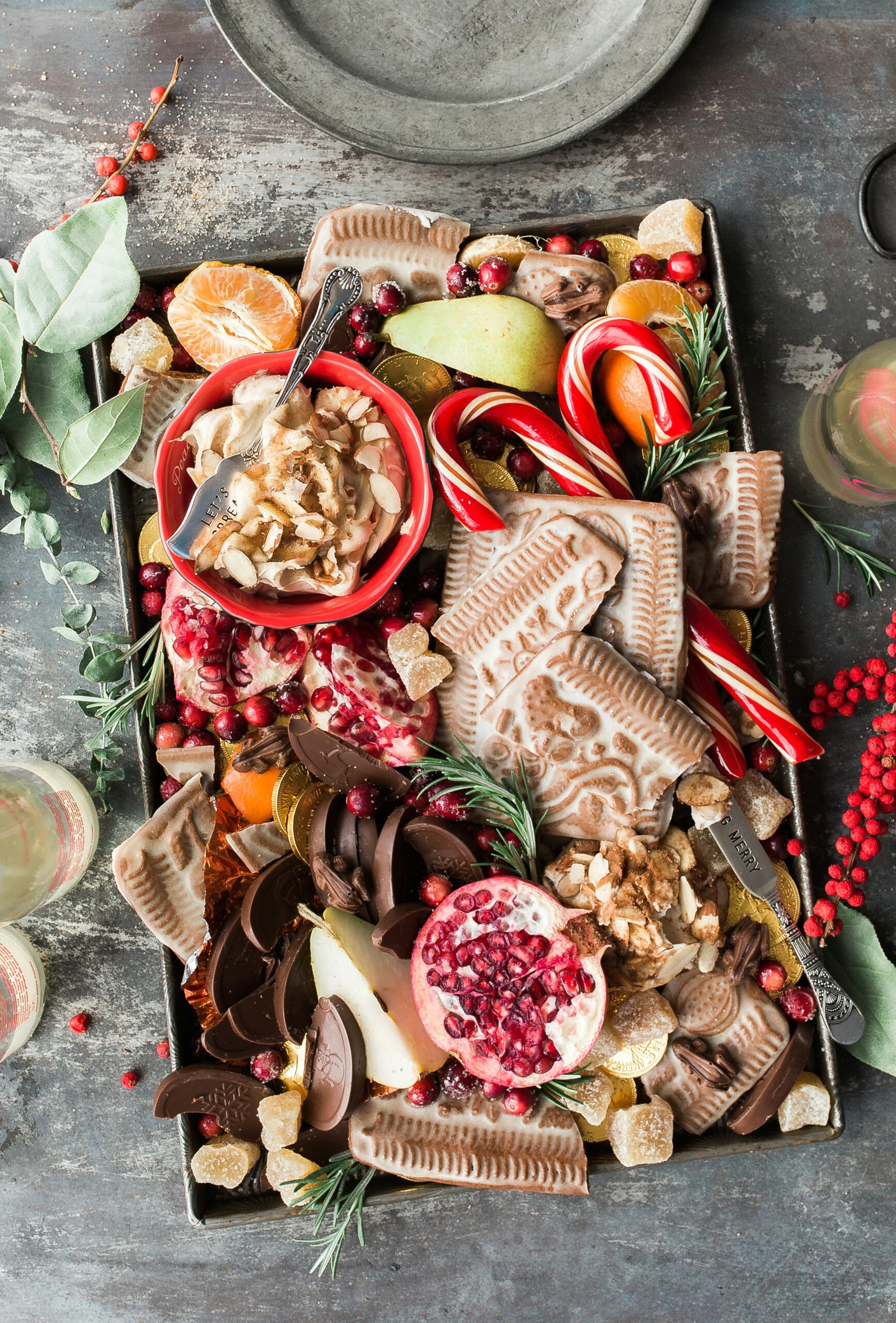


The holidays are a time for joy, connection, and yes, delicious food. But for many people, this season also brings a wave of anxiety around eating. From holiday parties and family dinners to cookie swaps and festive cocktails, the pressure to “stay on track” or “make up for it later” can overshadow what this season is meant to be about: connection, rest, and celebration.
It’s not just the food itself. It’s the comments from family members about what’s on your plate. It’s the endless “New Year, New You” messaging. It’s the way diet culture loves to hijack a joyful season and turn it into something you have to “survive.”
At No Diet Dietitian, we believe there’s a better way. Practicing intuitive eating during the holidays can help you step out of that diet culture tug-of-war, celebrate without restriction, and build a healthier, more trusting relationship with food and your body.
What Is Intuitive Eating?
Intuitive eating was developed by registered dietitians Evelyn Tribole and Elyse Resche. It’s a non-diet, evidence-based approach designed to help people reconnect with their body’s natural hunger and fullness cues and eat in a way that’s flexible, satisfying, and sustainable.
Unlike dieting, intuitive eating isn’t about controlling your intake or earning your food. It’s about trusting your body, something diet culture teaches us not to do. Instead of following external rules (like points, calories, or “good” vs. “bad” foods), intuitive eating helps you make choices based on internal cues, preferences, and values.
The holidays are a perfect time to practice intuitive eating because they bring all the noise to the surface: family expectations, diet culture messages, and old food rules. However, they also offer a chance to build confidence in your ability to make choices that honor your hunger, health, and joy.
The 10 Principles of Intuitive Eating
The framework of intuitive eating is built around 10 principles that support a healthier relationship with food. During the holidays, these principles can act as your guideposts.
Reject the Diet Mentality
Diets love to creep in during the holidays. Whether it’s “saving up” for dinner, swearing off dessert, or promising yourself you’ll “start clean on January 1,” diet mentality shows up in sneaky ways. Here’s the truth: diets don’t work long-term. Most people who lose weight through dieting regain it (and often more), and many end up with a more chaotic relationship with food than before. Rejecting diet mentality means refusing to play the “good” and “bad” food game.
Example: Instead of over-restricting all week in anticipation of a big holiday dinner, eat normally and consistently. You don’t need to earn or make up for food. That pie is just pie in the end.
Honor Your Hunger
Your body gives you signals when it needs nourishment. Skipping meals to “save up” often backfires, leading to intense hunger, which can make eating feel chaotic and guilt-ridden. It’s important to note that hunger cues aren’t always loud growls. They might feel like low energy, irritability, or trouble concentrating. The earlier you respond, the steadier your intake and mood will be.
Example: Eat breakfast and lunch before a big holiday gathering. This supports stable energy, balanced hormones, and a calmer relationship with food once the party starts.
Make Peace with Food
Restriction breeds obsession. When we label certain foods as “off limits,” we tend to think about them more, want them more, and often eat past fullness once we finally give in. Making peace with food means giving yourself full permission to eat what you enjoy, without shame or a mental tally of what you “owe” later.
Example: If peanut butter pie is your favorite, allow yourself to enjoy it. When that permission is unconditional, you’re less likely to swing between restriction and overcompensation.
Challenge the Food Police
The “food police” isn’t an actual person (though sometimes Aunt Susan plays the role a little too well). It’s that internal voice that says things like, “I shouldn’t have eaten that,” or “I was so bad for having dessert.” This voice is shaped by years of cultural messaging equating food choices with morality. It can be loud during the holidays, but you don’t have to let it drive.
Example: When you catch yourself thinking, “I was bad for eating that cookie,” pause. Remind yourself: food has no moral value. One cookie, or ten, doesn’t define you.
Feel Your Fullness
Diet culture often makes us disconnect from fullness cues. Intuitive eating encourages gentle curiosity around how your body feels, not rigid control. Fullness isn’t a perfect science. Some meals you’ll overshoot, others you won’t. The goal is awareness, not perfection.
Example: Pause halfway through your meal. Ask: Am I still hungry? Am I satisfied? There’s no right answer. If you want more, eat more. If you’re done, you’re done.
Discover the Satisfaction Factor
Eating should be a pleasurable experience. When you enjoy what you’re eating in a relaxed setting, satisfaction often comes more easily and with less food than when you’re distracted or stressed.
Example: Put your phone away. Taste the flavors. Notice the textures. Enjoy your favorite holiday dish without multitasking. Eating with intention turns a simple meal into a richer experience.
Cope with Your Emotions with Kindness
Emotional eating is often painted as a villain, but it’s not. Food can be comforting, and that’s okay. The issue is when it’s your only tool. The holidays can stir up stress, nostalgia, and family dynamics. Expanding your emotional toolbox can help.
Example: If a gathering feels overwhelming, try stepping outside for fresh air, journaling, or calling a friend. If you still want a cookie after, great. But now it’s a choice, not an impulse.
Respect Your Body
Body respect means caring for your body as it is right now, not waiting for it to change to deserve kindness. If negative body thoughts come up, try grounding in what your body does for you rather than how it looks.
Example: Choose holiday outfits that feel good and fit comfortably now, not ones you hope you’ll fit into later. Celebrate yourself as you are.
Movement–Feel the Difference
Movement shouldn’t be punishment for what you ate. It should make you feel good. During the holidays, shifting the focus from “burning off calories” to enjoying movement can make a huge difference.
Example: Dance in your kitchen. Play in the snow with your kids or dogs. Walk with a friend to catch up. Let movement be about connection, not compensation.
Honor Your Health with Gentle Nutrition
You can care for your health without obsessing over every bite. Gentle nutrition means making food choices that support how you feel, not just how they look on paper. It’s flexible, supportive, and rooted in self-respect, not fear.
Example: Add some roasted vegetables to your holiday plate because they taste good and help you feel nourished, not because you feel obligated to. Drink water because you want to feel hydrated, not because you need to “detox.”
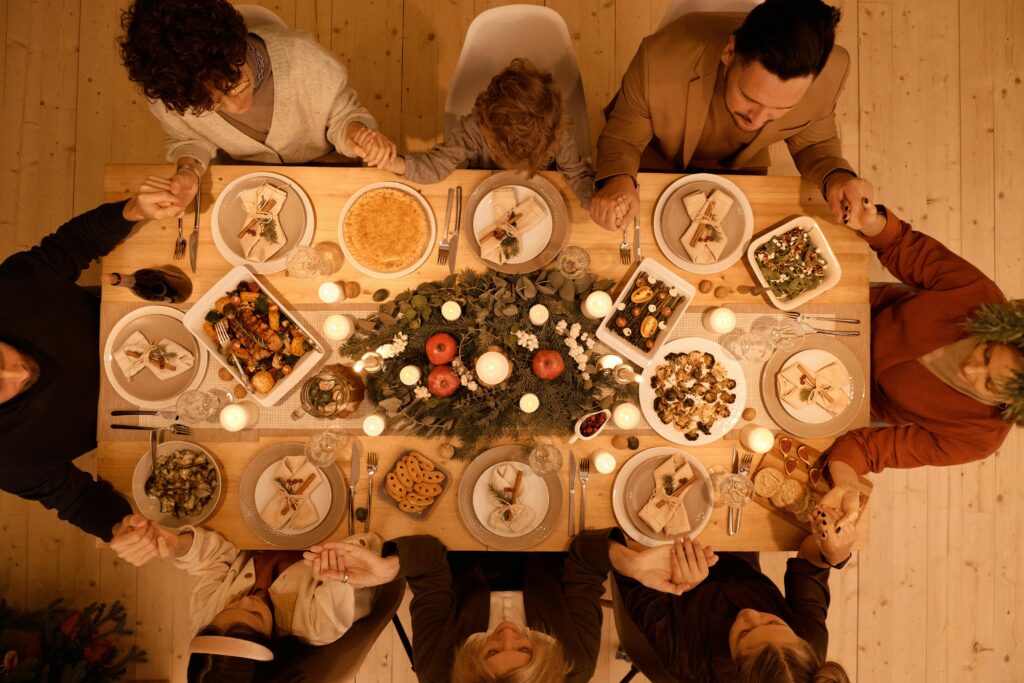
Why the Holidays Can Be Triggering
Holiday events often bring up food and body narratives that have been simmering for years. Family comments, social pressure, and advertising combine to create a perfect storm.
You might hear:
- “I really shouldn’t eat this, but…”
- “I’ll work this off tomorrow.”
- “I was so bad yesterday.”
Or maybe it’s the quiet, familiar voice in your head that’s been with you for a long time.
Diet culture thrives in these environments because it promises control when everything else feels loud and messy. But the reality is, it just keeps you stuck in a cycle of guilt, restriction, and overcompensation. Intuitive eating offers a compassionate, sustainable alternative.
Navigating Holiday Pressures with Intuitive Eating
Give Yourself Unconditional Permission to Eat
When you let go of restriction, food loses its power over you. Giving yourself unconditional permission doesn’t mean eating without thought; it means removing shame from the equation. When pie is just pie, you get to decide how much you want, not how much your guilt dictates.
Tune Into Hunger and Fullness Cues
During the holidays, external cues are loud: meal times set by someone else, the smell of cinnamon rolls wafting through the kitchen, everyone grabbing appetizers at once, etc.Tuning into your cues helps anchor you. Eat when you’re hungry. Pause when you’re satisfied. If you’re not hungry yet when the meal starts, it’s okay to wait. If you’re hungry again an hour later, that’s valid too.
Savor the Experience
The holidays are full of food that holds meaning. It’s not just fuel; it’s tradition, memory, connection, and comfort.
Let yourself slow down. Enjoy the taste of your favorite dish. Appreciate the moment. Mindful eating isn’t about eating less; it’s about being present. Remember to eat with your senses, not your rules.
Set Boundaries Around Diet Talk
Diet talk can drain the joy out of a room. You don’t owe anyone a debate or explanation.
- Use humor: “I’m just here for the pie.”
- Redirect: “Can we talk about something else?”
- Protect your energy: “I don’t want to talk about diets.”
You get to choose how much you engage, or don’t.
Practice Self-Compassion
There’s no “perfect” intuitive eater. Maybe you skip lunch and show up feeling ravenous. Maybe you eat past fullness because the stuffing was that good. That doesn’t mean you failed. It means you’re human.
Self-compassion means getting curious instead of judgmental. “What did I notice?” “What might I do differently next time?” That’s how real change happens.
Focus on Connection, Not Control
The holidays are about more than food; they’re about connection with family, friends, and yourself. When we fixate on controlling our food or body, we can miss out on the joy right in front of us. Let yourself laugh, play, and rest. Eat foods you love. Skip the guilt. Remember: there’s no “perfect” way to eat during the holidays, just the way that feels right for you.
You can also look for non-food ways to connect: playing games, crafting, taking a winter walk, or watching a favorite holiday movie. These moments deepen the meaning of the season and remind you that your worth isn’t tied to what’s on your plate.
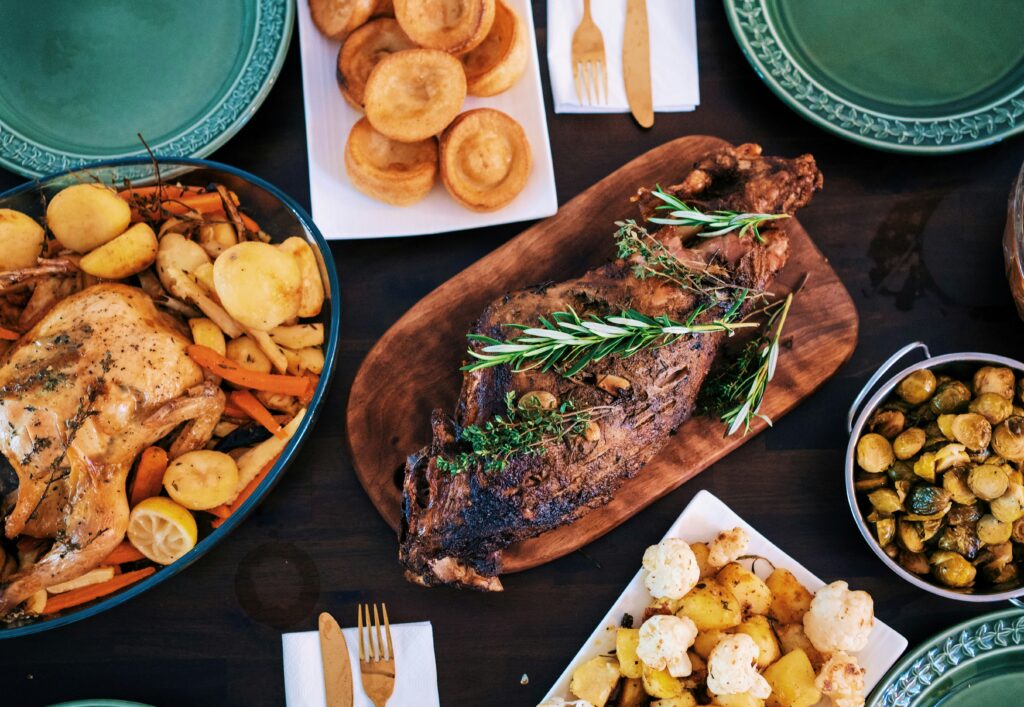
Reflect on What the Holidays Mean to You
When diet culture gets loud, returning to your values can help ground you.
Ask yourself:
- What do I want this season to feel like?
- How do I want to show up for myself and others?
- What memories do I want to make?
Setting small, clear intentions can help:
- “I want to be present with my kids.”
- “I want to enjoy my favorite foods without guilt.”
- “I want to rest without apologizing for it.”
This mindset shift moves the focus away from rules and toward living in alignment with your deeper values.
How No Diet Dietitian Can Support You
At No Diet Dietitian, we help clients across Vermont and beyond unlearn diet culture and build a peaceful, nourishing relationship with food. Whether you’re new to intuitive eating or looking for support navigating the holidays, we’re here to help.
We offer compassionate, weight-inclusive, evidence-based nutrition counseling that prioritizes your wellbeing, not a number on the scale. Our virtual sessions make it easy to connect from wherever you are, and our approach is tailored to your specific goals, life, and values.
We know healing your relationship with food is a process. It takes time, patience, and support. And you don’t have to do it alone.
You deserve to enjoy the holidays without guilt, shame, or restriction. If you’re ready to start your intuitive eating journey, or just want a safe space to talk through the challenges, we’d love to meet you!


+ show Comments
- Hide Comments
add a comment